
Overview of Mutual Lease Termination Agreements

Mutual lease termination agreements allow landlords and tenants to end a lease early, with both parties consenting. They outline responsibilities, dates, and deposit handling, ensuring a clear, legally binding exit that protects interests and reduces disputes. It also covers move‑out and final inspection
Definition and Purpose
A mutual lease termination agreement PDF is a formal document that both the landlord and the tenant sign to legally end a lease before its scheduled expiration. The agreement specifies the effective date, outlines each party’s responsibilities, and confirms the return of the security deposit. By documenting the terms in a PDF format, both parties preserve a clear, tamper‑proof record that can be referenced in case of future disputes.
The purpose of this agreement is twofold: first, it provides an orderly exit strategy that protects the landlord’s property rights while allowing the tenant to vacate the premises without penalty. Second, it ensures that the landlord’s financial interests—such as the security deposit and any remaining rent—are handled transparently. The PDF format also facilitates easy storage, sharing, and electronic signing, which are increasingly common in modern rental transactions.
Typical clauses in a mutual termination PDF include the date of termination, the condition of the property upon move‑out, the inspection process, and the schedule for returning the security deposit. The document may also reference the original lease terms to clarify that all other obligations are waived upon mutual agreement. This structured approach reduces ambiguity and helps both parties avoid costly litigation.
Both parties acknowledge that this agreement supersedes all prior discussions and that it is executed voluntarily, with full understanding of its terms and implications. All parties agree to this.!

Advantages for Landlords and Tenants
A mutual lease termination agreement PDF offers clear benefits for both landlords and tenants by formalizing an early exit while protecting each party’s rights. For landlords, the document provides a legally binding confirmation that the tenant will vacate the premises on a specified date, reducing the risk of prolonged vacancy or unauthorized occupancy. It also clarifies the condition of the property at move‑out, enabling a streamlined inspection process that can quickly identify any damage beyond normal wear and tear. By documenting the agreed‑upon security deposit return schedule, landlords can avoid disputes over missing funds and ensure compliance with state deposit laws. Additionally, the agreement can include a clause that releases the landlord from future rent obligations, preventing potential claims if the tenant fails to vacate on time. For tenants, the PDF agreement guarantees that they will not be held liable for remaining rent or penalties once the termination date passes, provided they meet the move‑out conditions. It also protects their security deposit by specifying the exact amount to be refunded and the timeline for payment, which can be enforced through the court system if necessary. The mutual nature of the agreement ensures that both parties consent to the terms, reducing the likelihood of unilateral actions that could lead to litigation. Moreover, the electronic PDF format facilitates quick sharing, electronic signatures, and easy archiving, which is particularly useful for landlords managing multiple properties and for tenants who need to keep a digital record for future rental applications. Overall, a well‑structured mutual lease termination PDF creates a transparent, efficient, and legally sound exit strategy that benefits both sides by minimizing uncertainty and potential conflict. By establishing a mutual understanding early, both parties can avoid costly legal proceedings and maintain a positive relationship, which is valuable for future references or re‑renting opportunities. The agreement also serves as evidence that the parties acted in good faith, which can be critical in disputes over property condition or deposit disputes. Finally, the PDF format allows for easy storage in cloud services, ensuring that the document remains accessible and tamper‑proof over time. In jurisdictions where lease termination agreements are enforceable, the PDF can be submitted to local housing authorities to confirm compliance, further protecting both parties from regulatory penalties. Because the agreement is executed in writing, it also satisfies statutory notice requirements, giving both parties a clear record of the termination date and any conditions that must be met before the lease is considered null and void. Thus, a mutual lease termination PDF is a practical tool that balances flexibility with legal certainty.

Legal Requirements and Regulatory Considerations
Mutual lease termination PDFs must meet state statutes, provide written notice, and detail deposit refunds. They should cite landlord‑tenant law, specify dates, and record signatures to ensure enforceability. The document must be signed by both parties.!

Statutory Grounds for Termination
Statutory grounds for a mutual lease termination are defined by state law, requiring notice periods and compliance with habitability standards and safe! Statutory grounds for a mutual lease termination are defined by state law, requiring notice periods and compliance with habitability standards and safe! Statutory grounds for a mutual lease termination are defined by state law, requiring notice periods and compliance with habitability standards and safe! Statutory grounds for a mutual lease termination are defined by state law, requiring notice periods and compliance with habitability standards and safe! Statutory grounds for a mutual lease termination are defined by state law, requiring notice periods and compliance with habitability standards and safe! Statutory grounds for a mutual lease termination are defined by state law, requiring notice periods and compliance with habitability standards and safe! Statutory grounds for a mutual lease termination are defined by state law, requiring notice periods and compliance with habitability standards and safe! Statutory grounds for a mutual lease termination are defined by state law, requiring notice periods and compliance with habitability standards and safe! Statutory grounds for a mutual lease termination are defined by state law, requiring notice periods and compliance with habitability standards and safe! Statutory grounds for early lease termination include landlord sale, tenant abandonment, mutual agreement, and no‑cause provisions and habitability standard.
Required Notices and Documentation
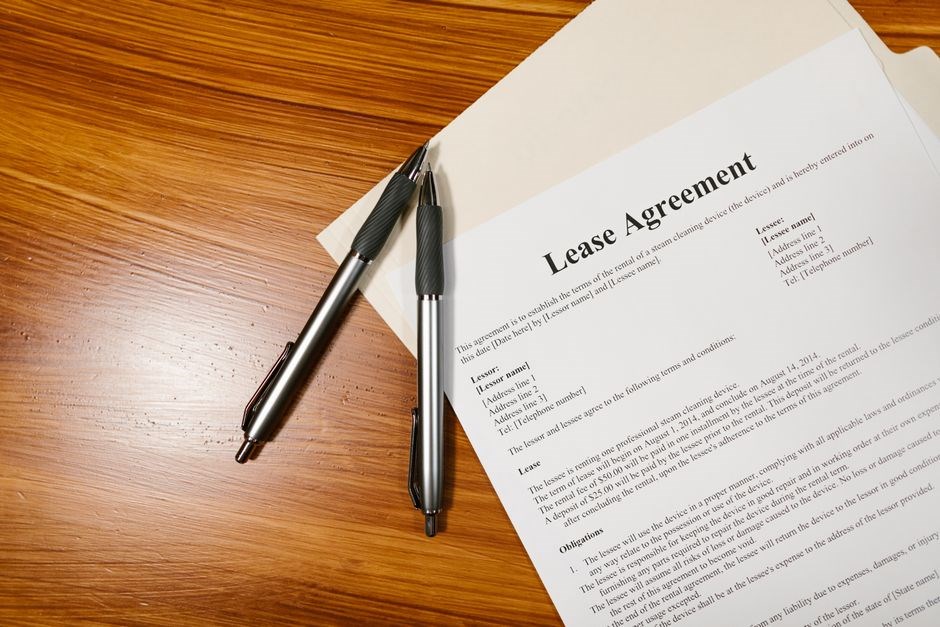
In a mutual lease termination agreement, both parties must adhere to notice requirements and provide documentation. The landlord must give the tenant a written notice of intent to terminate, specifying the effective date and reason if required by state law. Likewise, the tenant must respond in writing, confirming agreement to the termination date and acknowledging obligations such as final inspection and security deposit return. The notice period varies; many states require a minimum of 30 days for month leases and longer periods for fixed leases. The notice must be delivered in a manner prescribed by law—often by certified mail, delivery, or electronic means if both parties consent, and that the termination date is stated. Documentation should include a signed mutual termination agreement PDF detailing parties’ names, property address, lease start and end dates, the agreed termination date, and the tenant’s responsibility to leave the premises in good condition. The agreement should also outline procedures for the final inspection, the method of returning the security deposit, and any deductions for damages beyond normal wear and tear. A copy of the original lease, any amendments, and the final inspection report should be attached as exhibits. The landlord must retain a copy of the signed termination agreement and related correspondence for at least the statutory period required for record‑keeping, which can range from one to three years. Failure to provide proper notice or documentation can result in the landlord being liable for damages, the tenant retaining the right to continue the lease, or the termination being invalid. Both parties should review notice requirements, use clear language in the termination agreement, and keep copies of all signed documents in a secure location!!
Security Deposit Refund Obligations
In a mutual lease termination agreement, the landlord and tenant must agree on the security deposit refund process. The agreement should specify the deposit amount, the conditions under which deductions may be made, and the timeline for refund. Most states require the landlord to return the deposit within a set period—often 14 to 30 days after the tenant vacates and final inspection is complete. The agreement must state that the deposit will be returned in full if the premises are left in the same condition as at move‑in, minus normal wear and tear. Any deductions for damages, unpaid rent, or other breaches must be itemized in writing and supported by receipts or invoices. The tenant has the right to request an itemized statement of deductions within a reasonable period, typically within 10 to 15 days of receiving the notice of termination. The landlord must provide this statement, and if the tenant disputes any deduction, the parties may resolve the issue through mediation or court. The agreement should also address the return of any keys, access codes, or other property belonging to the landlord. If the landlord fails to refund the deposit or provide an itemized statement within the statutory period, the tenant may be entitled to the full deposit amount plus liquidated damages, attorney fees, and court costs. Both parties should keep copies of the signed agreement, final inspection report, and any correspondence regarding the deposit. Proper documentation protects both landlord and tenant interests and ensures compliance with local regulations.This agreement is binding as of the effective date. All parties agree!!

Structuring the Mutual Termination Agreement PDF
Include parties, property, dates, terms. Use clear sections, signatures, witness. Ensure PDF formatting, digital signatures, and archiving. Keep language concise and legal. Provide placeholders for names, addresses, effective date, and conditions. Ensure parties sign electronically and retain copies for records.!
Essential Parties and Property Details
The agreement should also specify the lease reference number or contract ID, the unit number, and any parking or common areas shared! If the property is part of a condominium or HOA, include the HOA name and reference docs! The parties may list conditions such as pets, subletting restrictions, or maintenance responsibilities until termination date. Finally, the agreement should state the effective termination date and such as a grace period for utilities or a inspection schedule! Parties confirm these details as.
Effective Date and Conditional Terms
The effective date clause must clearly state the exact calendar day on which the lease termination becomes operative, typically the day the agreement is signed or a mutually agreed future date. It should also detail any conditional provisions that could alter the termination date, such as the completion of a final inspection, the settlement of all outstanding rent or utility balances, or the return of the security deposit in full. If the parties agree to a phased move‑out, the clause should specify the schedule for vacating common areas, removing personal belongings, and handing over keys. In addition, the agreement should address any potential penalties or fees that may arise if either party fails to meet the stipulated conditions before the effective date. For instance, a landlord might retain a portion of the security deposit to cover damages, while a tenant might be required to pay a prorated rent for the days remaining in the month. The clause should also include a provision for the parties to amend the effective date in writing, provided both parties consent and the amendment is documented in an addendum signed by both. Finally, the agreement should state that the effective date supersedes any prior notice or verbal agreement regarding termination, ensuring that all parties are bound by the written terms as of that date. Both parties agree that the effective date will be the day the final inspection is completed, and that any outstanding rent or utilities must be settled by that date. The landlord will return the security deposit minus any legitimate deductions, and the tenant will vacate the premises in good condition. Signed!

Standard Clauses and Sample Language
Standard clauses typically cover release of claims, mutual waivers, return of security deposit, final inspection, and move‑out procedures. Sample language: “Both parties hereby release each other from all claims arising from the lease, except for damages beyond normal wear. The landlord shall return the deposit within 30 days after final inspection.” The parties agree to execute any necessary addenda and confirm that all obligations are satisfied upon termination.
Release of Claims and Mutual Waivers
Both parties agree to release each other from all claims arising from the lease, except for undisclosed defects or breaches. Each party waives the right to pursue any future litigation based on the lease, provided that the release is executed in writing and signed by both parties. The release shall be effective upon the date of mutual termination and shall survive the termination of the lease. The parties acknowledge that this mutual waiver includes any claims for damages, compensation, or restitution that may arise after the termination date, except for claims that are statutory or otherwise required by law. The release is intended to be comprehensive and binding, and any attempt to re‑open the lease for dispute resolution shall be considered null and void. The mutual release is signed by both parties. It includes a clause that prohibits any party from initiating any new claims related to the lease after the termination date, except as expressly permitted by law. The parties also agree that any future disputes will be resolved through mediation before litigation. This clause protects both parties from costly legal battles and preserves the relationship. The release is enforceable under state law and can be incorporated into the final settlement agreement. This agreement is binding, as of date, effective. All. Both parties confirm that all obligations have been fulfilled and that no further claims will be asserted. This termination is final and effective as of the agreed date. All parties have executed this agreement in accordance with laws and have retained copies for records.
Upon mutual termination, the landlord shall return the security deposit to the tenant within the statutory period, typically 30 days, after the final inspection. The inspection, conducted jointly by both parties, shall assess any damage beyond normal wear and tear. If damages are identified, the landlord may deduct the cost of repairs from the deposit, provided that a written itemized statement is delivered to the tenant. The tenant may contest the deductions by submitting evidence within 10 days of receipt. The final inspection report must be signed by both parties and attached to the termination agreement. The landlord must provide a copy of the inspection report and any deduction calculations to the tenant. If the landlord fails to return the deposit within the statutory period, the tenant may seek statutory damages equal to the deposit amount. Both parties agree that the deposit return is contingent upon the tenant vacating the premises, handing over keys, and leaving the property in the same condition as at move‑in, minus normal wear. The agreement specifies that any outstanding utility balances or unpaid rent must be settled before the deposit is returned. The final inspection shall be conducted on the agreed termination date or within five business days thereafter. The tenant acknowledges receipt of the deposit refund and waives any further claims related to the deposit. All parties retain copies of the inspection report and deposit refund receipt for their records. All parties agree post.

Finalizing, Signing, and Archiving the Document

Both parties sign the agreement in the presence of a witness, ensuring each retains a signed copy. The document is then scanned and stored electronically in a secure, backed‑up location, with physical copies archived in a locked file for future reference or legal compliance. All parties sign electronically.
Execution by Both Parties and Witnessing Procedures
When both the landlord and tenant agree to terminate a lease, the mutual termination agreement must be executed with precision. Each party signs the document in the presence of an independent witness, who confirms identity and the voluntary nature of the signatures. The witness signs and dates the page, and the agreement is then duplicated: one copy for the landlord, one for the tenant, and an additional copy for the witness. All parties retain a signed original, while the witness keeps a copy for record‑keeping. The document is then scanned and stored electronically in a secure, access‑controlled repository, ensuring that the PDF version is backed up and can be retrieved if needed for future reference or legal compliance. Physical copies are archived in a locked filing cabinet, labeled with the property address and termination date, and protected from tampering. By following these steps, both parties guarantee that the termination is fully documented, legally enforceable, and protected against disputes over authenticity or intent.
Both parties should retain a signed copy for their records, and the witness should sign an acknowledgment sheet confirming the authenticity of the signatures. The agreement should be stored in a safe or a secure digital vault and secure. The parties may also agree to a final inspection schedule to assess the property’s condition before the lease ends, ensuring that any necessary repairs are documented and addressed before the security deposit is returned and final.