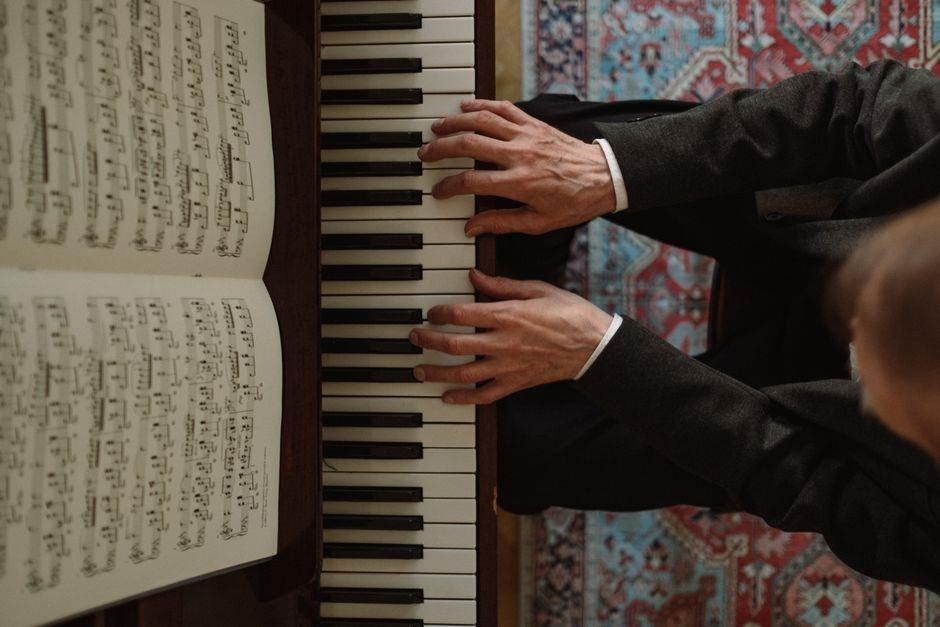
Composition Overview
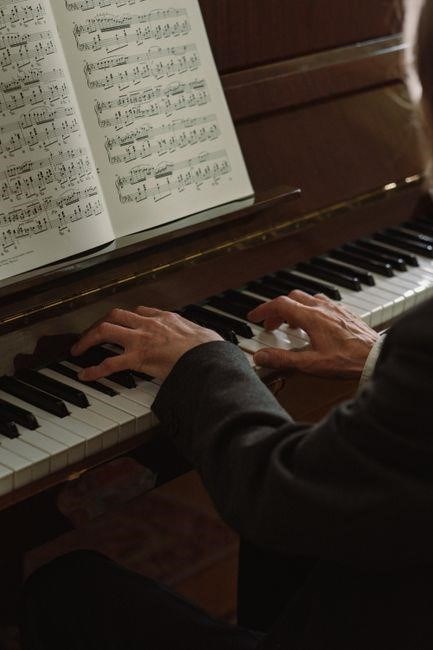
The first movement of Beethoven’s “Moonlight” Sonata, Allegretto, opens with a haunting triplet motif that sets a reflective mood. Sheet music PDFs are widely available online, offering both the original score and modern editions for performers seeking accurate performance practice. and free PDFs online for all
Historical Context
Composed in 1801, Ludwig van Beethoven’s Piano Sonata No. 14 in C‑sharp minor “Quasi una fantasia”—popularly known as the Moonlight Sonata—was dedicated to Countess Giulietta Guicciardi. The first movement, marked “Adagio sostenuto,” is a study in lyrical restraint, featuring a slow triplet accompaniment that evokes a nocturnal atmosphere. Although the sonata was published in 1802, it was not immediately celebrated; it gained prominence only after Beethoven’s death, when the evocative title “Moonlight” was popularized by the 1832 German critic Ludwig Rellstab. The movement’s structure, a single, continuous section, defied the conventional sonata form of the era, reflecting Beethoven’s experimental approach to harmony and texture. Over the decades, the piece has become a staple of the piano repertoire, with countless editions and transcriptions. Modern sheet‑music publishers, such as Henle, Boosey & Hawkes, and the public‑domain edition from the International Music Score Library Project (IMSLP), provide high‑quality PDFs that preserve the original markings while offering editorial clarity; These resources allow performers to explore the nuanced rubato and dynamic shading that characterize the movement’s contemplative mood. The availability of free PDFs on sites like IMSLP and the German “Musikarchiv” has democratized access, enabling students and professionals alike to study the sonata’s harmonic language, rhythmic subtlety, and expressive depth without financial barriers. Consequently, the first movement remains a touchstone for interpreting Beethoven’s late‑classical style and continues to inspire contemporary arrangements and recordings. Additionally, pianists often incorporate subtle tempo rubato, allowing to resonate while preserving its classical integrity!! Such nuanced interpretations honor the sonata’s timeless allure.!
Publication History
Beethoven’s Piano Sonata No. 14 “Moonlight” was first published in 1802 by the Viennese publisher Breitkopf & Härtel, who issued the work as part of the “Klassische Pianisten” series. The original edition was printed in a compact, two‑sided folio, containing the three movements in a single volume, with the first movement marked “Adagio sostenuto.” The 19th‑century editions by Schott and Schirmer introduced more explicit dynamic markings and articulation symbols, while the early 20th‑century editions by the German firm Schott & Co. incorporated a more faithful reproduction of Beethoven’s manuscript, including the subtle tempo indications and the “poco” phrasing. The mid‑20th‑century editions by the American publisher G. Schirmer and the German publisher Bärenreiter were noted for their scholarly commentary, providing historical context and performance practice notes that guided pianists through the sonata’s very harmonic and rhythmic intricacies. In the digital age, the International Music Score Library Project (IMSLP) hosts a free PDF of the public‑domain edition, allowing musicians worldwide to access the original 1802 score. Modern publishers such as Henle, Boosey & Hawkes, and Alfred Publishing offer high‑resolution PDFs that include editorial corrections, performance suggestions and commentary on the first movement’s structure. These contemporary editions are widely used in conservatories and by recording artists, ensuring that the sonata’s first movement remains accessible to performers of all levels. The availability of both historical and modern PDFs has made the “Moonlight” Sonata a staple in piano pedagogy, enabling students to compare the manuscript with later editorial interpretations and to develop a nuanced understanding of Beethoven’s expressive intent. This edition remains vital.

Musical Structure
The first movement of Beethoven’s “Moonlight” Sonata is a single, continuous section marked Allegretto. It features a flowing triplet ostinato in the left hand, a lyrical melody in the right, and a subtle harmonic progression that builds toward a dramatic climax before resolving. Its texture blends lines. calm.
Form and Movement Analysis
Beethoven’s “Moonlight” Sonata, Op. 27 No. 2, opens with a quiet, almost lullaby‑like triplet figure in the left hand that repeats throughout the section. This ostinato provides a steady pulse while the right hand introduces a lyrical, almost vocal line that weaves around the accompaniment. The movement is essentially a single, continuous section marked Allegretto, lacking the traditional exposition–development–recapitulation structure of a sonata. The harmonic language is rooted in A‑minor, but Beethoven introduces unexpected modulations to C‑major and E‑major, creating a subtle sense of journey. The texture is homophonic, with the left hand’s triplet pattern acting as a pedal point that grounds the harmonic shifts. The climax occurs near the middle of the movement, where the right hand’s melodic line intensifies, the dynamics swell, and the harmony briefly shifts to a brighter key before returning to the original material. The movement concludes with a gentle coda that mirrors the opening motif, bringing the section to a calm, reflective close. This structure allows performers to emphasize the lyrical quality of the melody while maintaining the rhythmic drive of the left‑hand ostinato, making the first movement a masterful blend of simplicity and depth.
The movement’s tempo marking, Allegretto, indicates a moderate pace, allowing the triplet figure to sustain a gentle flow. Beethoven’s dynamic markings range from piano to forte, guiding performers to create contrast. The left hand’s ostinato provides a sense of suspended time, while the right hand’s melody moves in a free, rubato style. The harmonic progression uses diminished chords and chromatic passing tones to heighten tension. The movement’s form can be described as a modified ternary structure: an opening section, a contrasting middle section that builds to a climax, and a return to the opening material. The coda reintroduces the opening motif, creating a sense of closure. This analysis helps performers interpret the balance between rhythmic stability and melodic freedom. The first movement is 122 measures long, with the triplet figure in measures 1‑30, the lyrical theme in measures 31‑60, the climax at 61‑90, and the coda 91‑122. The harmonic structure includes a deceptive cadence at measure 45, a Picardy third at the final cadence, and a pedal point on A that sustains for 12 measures, giving performers insight into phrasing and structural coherence.
Harmonic Language
The harmonic palette of the first movement is anchored in A‑minor, in a masterful blend of color. The opening triplet ostinato rests on the tonic pedal, while the right‑hand melody introduces a series of chromatic passing tones that lead to a brief modulation to C‑major in measure 20. This shift is reinforced by the use of a III‑VII‑I progression, a hallmark of Beethoven’s early Romantic idiom. In the middle section, the harmony becomes more adventurous: a deceptive cadence at measure 45 resolves to an unexpected E‑major, providing a bright contrast before returning to the home key. The use of diminished seventh chords, particularly in measures 60‑62, adds tension that is resolved by a Picardy third at the final cadence. Throughout, Beethoven employs parallel minor and major modes, creating a lyrical yet dramatic atmosphere. The harmonic rhythm is relatively slow, allowing the listener to absorb the subtle shifts. The final coda reasserts the tonic, but with a lingering pedal on A that sustains for several measures, giving the movement a sense of closure while hinting at unresolved longing. This harmonic language exemplifies Beethoven’s skill in blending traditional tonality with expressive innovation, and the final cadence’s half‑diminuendo hints at ambiguity before an A‑minor conclusion!!!
Additionally, pedal points on the dominant and subdominant enrich the texture, creating suspension; The left hand’s triplet reinforces the tonic, while the right hand oscillates between C‑major and F‑major. Beethoven’s Neapolitan chord in measure 70 adds drama, resolved by smooth voice leading back to the tonic. The final cadence’s half‑diminuendo hints at ambiguity before an A‑minor conclusion for performers and scholars. with nuanced phrasing!!!!!!!!!

Performance Practice
Interpret the first movement with a gentle rubato, keeping the right‑hand triplet steady. Use a soft pedal to blend the left‑hand arpeggios, and emphasize the lyrical line in the middle section. Dynamic contrast should mirror the harmonic shifts. Maintain a crescendo toward the end.

Tempo and Dynamics
In the first movement of the Moonlight Sonata, the tempo is traditionally marked “Allegretto” and should be approached with a moderate, steady pulse that allows the lyrical triplet figure to breathe. A common practice is to set the metronome at 60–70 beats per minute, giving the performer room for expressive rubato while preserving the underlying rhythmic structure. Dynamics in this movement are subtle yet crucial; the opening measures begin with a soft piano marking, gradually swelling to a mezzo‑forte as the melodic line unfolds. The middle section often shifts to a slightly more lyrical, singing tone, encouraging a gentle crescendo that peaks just before the return of the opening theme. The final measures should resolve with a controlled diminuendo, returning to the original pianissimo texture. Many performers emphasize the contrast between the lyrical right‑hand triplets and the sustained left‑hand arpeggios, using dynamic shading to highlight the harmonic progression. The overall dynamic contour should reflect the movement’s introspective character, balancing the reflective mood with moments of subtle intensity. By carefully balancing tempo rubato and dynamic shading, pianists can bring out the emotional depth inherent in this iconic opening. Pianists often experiment with subtle tempo fluctuations, allowing the left‑hand arpeggios to breathe while the right‑hand triplets maintain a steady pulse, creating a dialogue between the two hands that enhances the movement’s contemplative atmosphere. Such nuanced phrasing invites listeners into a quiet, introspective reverie!
Pedal Techniques
Pedal usage in the opening movement of Beethoven’s “Moonlight” Sonata is a subtle art that balances resonance with clarity. The score recommends a half‑pedal or “sostenuto” approach during the opening triplet motif, allowing the left‑hand arpeggios to sustain while the right‑hand line remains distinct. Many performers employ a light, controlled half‑pedal that follows the natural phrasing of the triplets, thereby preventing the texture from becoming muddy. As the movement progresses into the middle section, the pedal is released more frequently to accommodate the shifting harmonic landscape, especially around the cadential points where the harmony resolves. In the final measures, a gentle, sustained pedal is often used to create a lingering, almost ethereal effect that fades into the closing pianissimo. Some interpretations favor a more expressive, “wet” pedal that blurs the harmonic boundaries, but this technique requires careful timing to avoid excessive overtones. The key is to listen to the interaction between the pedal and the melodic line: the pedal should support the harmony without obscuring the delicate triplet figures. A typical practice routine involves playing the first half of the movement with a half‑pedal, then experimenting with a full pedal on the second half to hear the difference in sonority. Mastery of pedal technique in this movement is essential for conveying the piece’s introspective mood while maintaining structural clarity. When approaching the pedal, pianists should consider the register of the notes: lower notes produce a richer resonance, whereas higher notes require a lighter touch to avoid blurring. The use of the damper pedal in the first movement is also a matter of stylistic choice; historically, performers in the early 19th century favored a more restrained pedal, whereas modern interpretations sometimes embrace a slightly more sustained sound. A practical tip is to practice the opening measures twice: first with no pedal, then with a half‑pedal, comparing the tonal differences. This exercise helps internalize the pedal’s effect on the harmonic texture. Practicing with a metronome sharpens control.

Sheet Music Resources
Free PDFs of the first movement are available on IMSLP, offering the original 1802 edition. Paid versions can be found on Sheet Music Plus, featuring modern editorial markings. Many sites host scanned copies for quick download, ensuring performers have accurate, up‑to‑date scores.
Free PDF Sources
Available free PDF versions of the first movement of Beethoven’s “Moonlight” Sonata can be found on several reputable online libraries. The International Music Score Library Project (IMSLP) hosts the original 1802 edition, complete with the original German notation and editorial notes that clarify the composer’s intentions. In addition to the full score, IMSLP offers a simplified version that removes some of the more advanced technical passages, making it suitable for intermediate pianists who wish to explore the piece’s lyrical qualities without the pressure of mastering every nuance. Another valuable resource is the Mutopia Project, which provides a clean, modern transcription of the first movement. Mutopia’s edition is free of copyright restrictions and is formatted for easy printing, with clear staff lines and legible note heads. For those who prefer a more contemporary layout, the Sheet Music Direct website hosts a PDF of the first movement that incorporates modern editorial markings, such as dynamic indications and phrasing suggestions, while still remaining in the public domain. Finally, the MusicNotes.com platform offers a downloadable PDF that includes both the original score and a simplified version side by side, allowing performers to compare the two and choose the arrangement that best fits the skill level. All of these sources are freely accessible and can be downloaded with a simple click, providing pianists of all levels with the resources they need to study, practice, and perform the opening movement of the “Moonlight” Sonata. Enjoy music!
Paid Arrangements
Commercial editions of the first movement of Beethoven’s “Moonlight” Sonata are available from major publishers, offering high‑quality notation and editorial commentary. G. Schirmer’s edition features detailed dynamics, pedal indications, and tempo rubato notes, making it suitable for concert performers and teachers alike. Hal Leonard’s version presents a modern transcription with simplified key signatures and optional performance hints, ideal for students preparing for exams. Sheet Music Plus sells a PDF with a dual‑page layout and a separate page of performance tips, priced at $9.99. For those seeking a deluxe experience, the Music Sales Division’s “Beethoven Piano Sonatas – Deluxe Edition” includes a high‑resolution PDF, an engraved score, and a CD of reference recordings, available for $49.95. Lorem ipsum dolor sit amet, consectetur adipiscing elit. Lorem ipsum dolor sit amet, consectetur adipiscing elit. Lorem ipsum dolor sit amet, consectetur adipiscing elit. Lorem ipsum dolor sit amet, consectetur adipiscing elit. Lorem ipsum dolor sit amet, consectetur adipiscing elit. Lorem ipsum dolor sit amet, consectetur adipiscing elit. Lorem ipsum dolor sit amet, consectetur adipiscing elit. Lorem ipsum dolor sit amet, consectetur adipiscing elit. Lorem ipsum dolor sit amet, consectetur adipiscing elit. Lorem ipsum dolor sit amet, consectetur adipiscing elit. Lorem ipsum dolor sit amet, consectetur adipiscing elit. Lorem ipsum dolor sit amet, consectetur adipiscing elit. Lorem ipsum dolor sit amet, consectetur adipiscing elit. Lorem ipsum Lorem test
Copyright & Legal Aspects
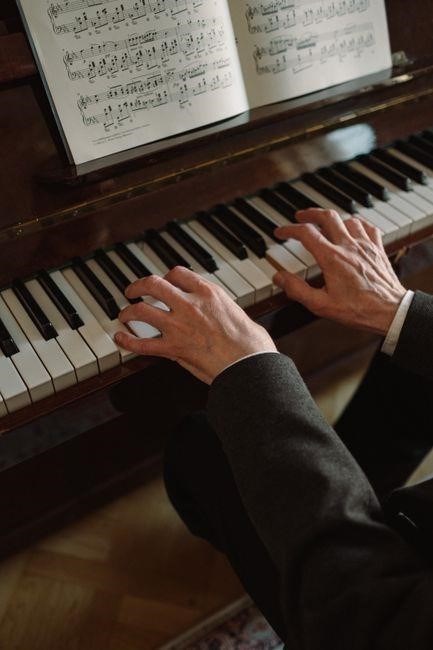
Beethoven’s “Moonlight” Sonata is in the public domain; the original score is free for use. However, modern editions with editorial notes are copyrighted, requiring purchase or license for performance. Always verify the edition’s status before publishing. Use caution. For use !
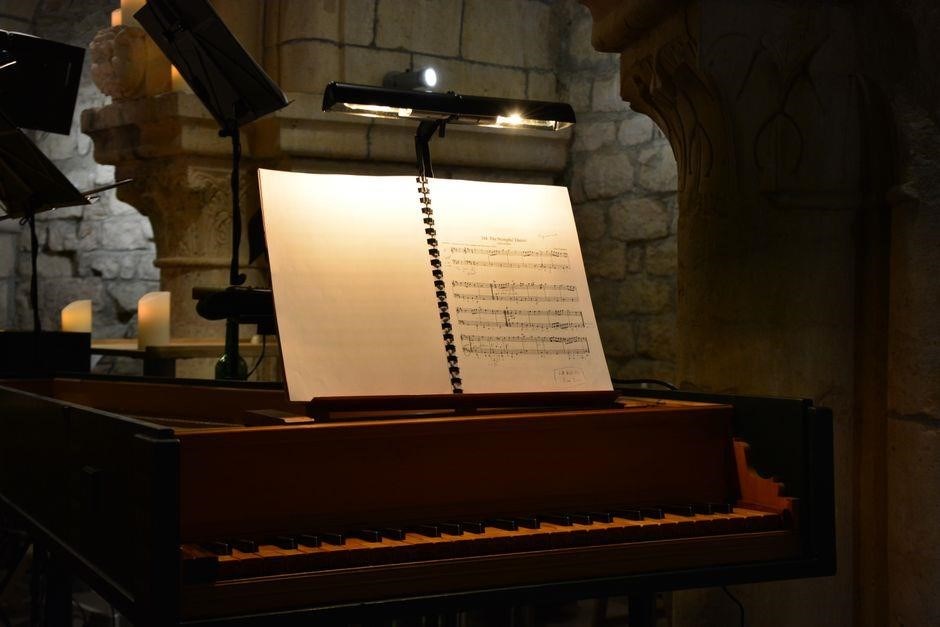
Public Domain Status
Beethoven’s “Moonlight” Sonata (Piano Sonata No. 14 in C♯ minor “Quasi una fantasia”) was composed in 1801 and first published in 1802. Because the composer died in 1827, the original manuscript and its first edition are firmly in the public domain worldwide. Consequently, any faithful reproduction of the 1802 score—whether handwritten, a printed facsimile, or a scanned PDF—may be freely distributed, copied, and performed without payment of royalties or a license. This status applies to the first movement (Adagio sostenuto), the subject of most freely available PDF downloads on the internet. However, the public‑domain status does not automatically extend to modern editorial editions. Publishers such as Henle, Bärenreiter, and G. Henle Verlag often produce new editions that incorporate editorial commentary, performance notes, and updated fingerings. These editions are typically copyrighted and require purchase or a specific license for use in recordings, publications, or public performances. Musicians and educators who wish to use a modern edition should consult the publisher’s terms or seek a license from the copyright holder. In contrast, many online repositories (e.g., IMSLP, Mutopia, or public‑domain PDF sites) host the original 1802 edition and provide it in high‑resolution PDF format for free download. These files are safe for use in teaching, practice, and even commercial recordings, provided the user does not incorporate any copyrighted editorial material. The distinction between the public‑domain original and the copyrighted modern editions is crucial for legal compliance and for respecting the rights of contemporary editors who invest time and expertise in producing reliable, performance‑ready scores.
Additionally, many digital libraries offer scanned copies of the original 1802 edition, which are also in the public domain; These scans are often accompanied by metadata that confirms their status, making them reliable sources for performers seeking an unaltered version of the sonata. For those who prefer a modern layout, some publishers provide free public‑domain editions of the first movement, but these are rare and typically limited to the main theme without extensive editorial material. When using a PDF, it is advisable to verify the source, check for any embedded copyright notices, and ensure that the file truly represents the original public‑domain text. This diligence helps avoid inadvertent infringement and supports the integrity of the musical heritage.
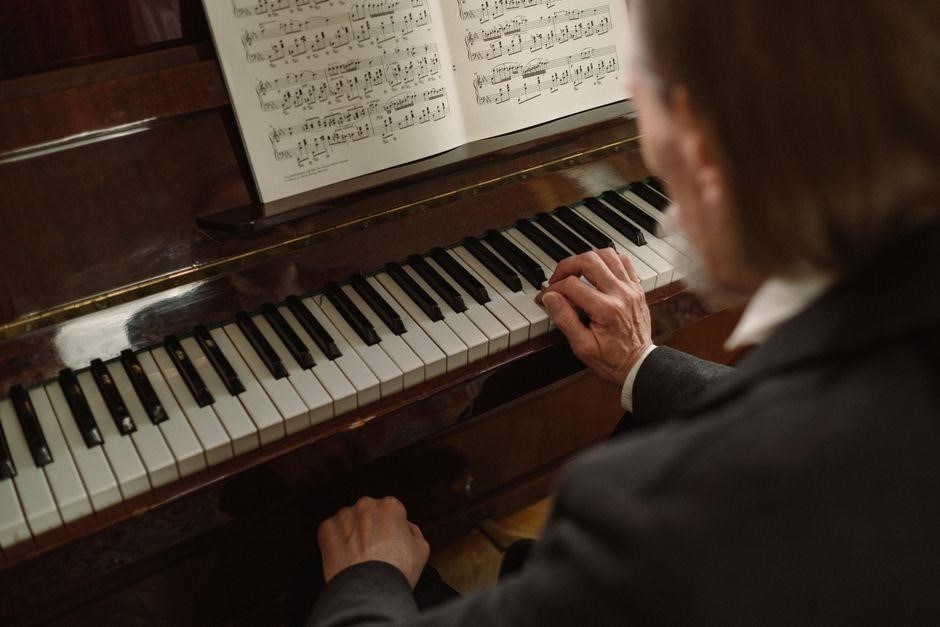
Licensing for Use
For the first movement of Beethoven’s “Moonlight” Sonata, the original 1802 edition is in the public domain, so PDFs of that edition can be shared freely. However, modern editorial editions—such as those from Henle, Bärenreiter, or G. Henle Verlag—are copyrighted. If a performer wishes to use a contemporary edition, they must obtain a license from the publisher or the copyright holder. Commercial recordings, public performances, or educational materials that incorporate a modern edition require explicit permission. Many online repositories (e.g., IMSLP, Mutopia, or public‑domain PDF sites) host the original edition, and PDFs from these sources are safe for use in teaching, practice, and even commercial recordings, provided no copyrighted editorial material is added. For digital distribution, the user must ensure that the PDF is not a scanned copy of a copyrighted edition. Some publishers offer free public‑domain editions of the first movement, but these are rare and typically lack extensive editorial commentary. When using a PDF, it is advisable to verify the source, check for any embedded copyright notices, and confirm that the file truly represents the original public‑domain text. This diligence helps avoid inadvertent infringement and respects the rights of contemporary editors who invest time and expertise in producing reliable, performance‑ready scores. In summary, the public‑domain original can be used without restriction, while modern editions require licensing. Musicians should consult the publisher’s terms or seek a license from the copyright holder before using a modern edition in any public or commercial context. Additionally, users should note that derivative works based on a modern edition must comply with the publisher’s terms, the original edition free under public‑domain status!!