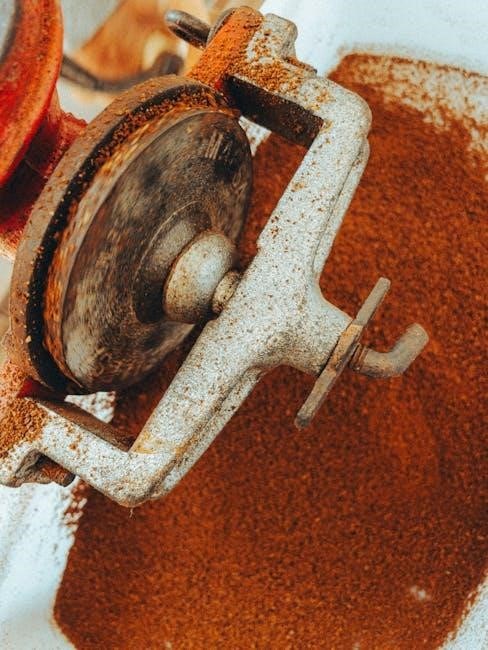
Grain grinders, like the Diamant, offer versatility – handling grains, beans, and even coffee! These tools empower self-sufficiency, providing fresh flour for daily use or emergency preparedness;
What is a Grain Grinder?
A grain grinder, fundamentally, is a device designed to reduce whole grains into a finer consistency – flour, meal, or even cracked grains․ Unlike commercial milling which often strips nutrients, a grain grinder allows you to process grains at home, preserving vital vitamins and minerals․ Manual grain grinders, such as the Diamant, operate without electricity, relying on hand-cranking power․
These grinders are incredibly adaptable, capable of processing not just wheat and corn, but also beans, seeds, and even coffee․ The sealed bearings in some models, like the Diamant, minimize maintenance needs․ They offer a pathway to greater food independence, allowing control over ingredient quality and freshness, especially valuable in emergency situations or for those seeking a more self-sufficient lifestyle․
Benefits of Using a Grain Grinder
Employing a grain grinder unlocks numerous advantages, starting with superior nutritional value․ Freshly ground flour retains more vitamins and oils compared to store-bought alternatives․ Manual grinders, offering independence from electricity, are ideal for emergency preparedness and off-grid living․ The Diamant model exemplifies this, grinding various items without specialized augers․
Beyond nutrition, you gain control over ingredient quality, avoiding potential additives or preservatives․ This is particularly beneficial for those with dietary restrictions․ Furthermore, the ability to grind grains on demand ensures maximum freshness and flavor in baked goods․ Manual operation also promotes a slower, more mindful approach to food preparation, fostering a deeper connection to your meals․
Types of Grain Grinders
Grain grinders broadly fall into manual and electric categories, each with unique features․ Manual options, like the Diamant, prioritize portability and independence from power sources․
Manual Grain Grinders
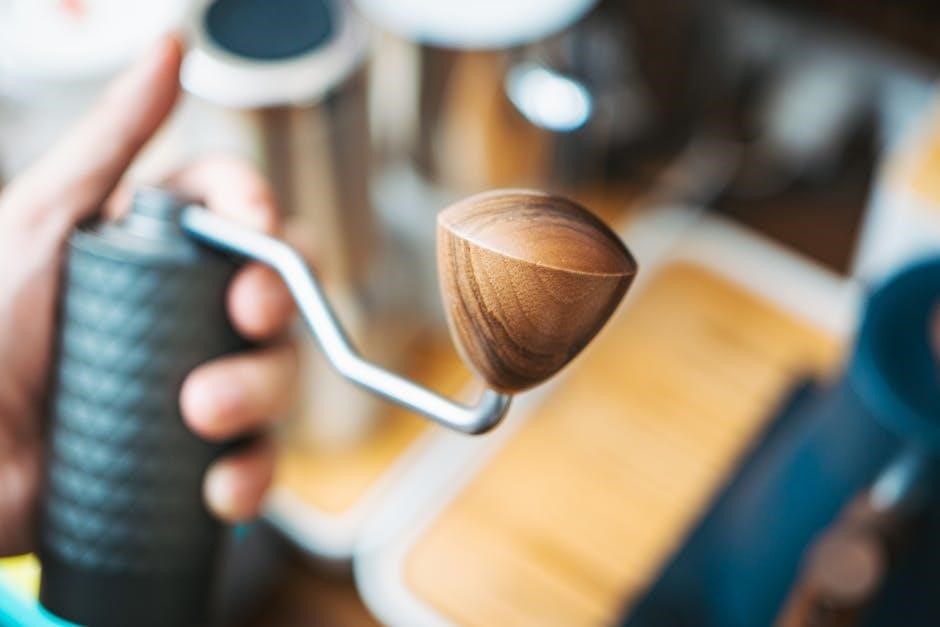
Manual grain grinders represent a time-honored approach to flour production, offering independence and reliability without reliance on electricity․ Models like the Diamant stand out, capable of processing not only various grains but also beans, corn, coffee, nuts, and seeds – a truly versatile tool․
These grinders are particularly valuable for emergency preparedness, ensuring a food source even during power outages․ A key advantage is minimal maintenance; sealed bearings, as featured in the Diamant, eliminate the need for frequent upkeep․ While requiring physical effort, manual grinders provide a consistent, quality flour and are ideal for those prioritizing self-sufficiency and a connection to the food preparation process․ They are a robust and dependable choice for both everyday use and unforeseen circumstances․
Electric Grain Grinders
Electric grain grinders offer convenience and speed, making them suitable for frequent use and larger quantities․ These grinders utilize a motor to automate the grinding process, reducing physical exertion․ However, reliance on electricity means they are vulnerable during power outages, diminishing their value in emergency scenarios․
Regular maintenance is crucial for electric models․ The Universal Manual and Operation Guide for the 1000A highlights the importance of replacing worn carbon brushes and blades promptly․ Furthermore, consistent inspection and tightening of screws within the grinding chamber are essential for safe operation․ To prevent overheating, it’s advised to give the grinder regular breaks when processing substantial amounts of grain, mirroring advice for meat grinders․
Motorized vs․ Hand-Powered Options
Motorized grain grinders, while efficient, depend on a power source, limiting usability during emergencies․ Hand-powered grinders, like the Diamant, offer independence and reliability, requiring no electricity․ The Diamant’s sealed bearings minimize maintenance needs, making it ideal for both everyday use and preparedness․
The choice hinges on priorities․ If consistent, high-volume grinding is needed and power is assured, motorized options excel․ However, for self-sufficiency and resilience, a manual grinder is invaluable․ Considering potential disruptions, a hand grinder provides peace of mind․ While electric models benefit from breaks to prevent overheating, manual grinders offer continuous operation limited only by physical stamina․

Selecting the Right Grain Grinder
Choosing a grain grinder involves considering capacity, grain types, and quality․ The Diamant excels with diverse grains, while price and flour quality are key factors․
Capacity and Grain Types
When selecting a manual grain grinder, carefully assess your needs regarding capacity and the variety of grains you intend to process․ Some grinders, like the Diamant, demonstrate remarkable versatility, adeptly handling not only traditional grains but also beans, corn, and even coffee․ This broad capability eliminates the need for specialized augers, simplifying your grinding process․
However, consider the volume you typically require․ For larger families or frequent baking, a higher-capacity grinder will save time and effort․ Conversely, for occasional use or smaller batches, a more compact model may suffice․ Furthermore, ensure the grinder can handle the specific grain types you favor – some are limited to softer grains, while others can tackle harder varieties with ease․ Prioritizing these factors ensures a satisfying and efficient grinding experience․
Price and Quality Considerations
Investing in a manual grain grinder involves a trade-off between price and quality․ While budget-friendly options exist, prioritizing quality often translates to durability and efficiency․ The Diamant, highlighted as an ideal choice if money isn’t a constraint, exemplifies this principle with its sealed bearings – eliminating maintenance needs and ensuring longevity․
Consider the materials used in construction; robust materials like stainless steel generally indicate higher quality․ Evaluate the grinding mechanism – a well-designed system will produce consistent flour texture․ Remember that a higher initial investment in a quality grinder can save money in the long run by avoiding frequent replacements and ensuring reliable performance for years to come․ Don’t solely focus on the lowest price; assess the overall value proposition․
Operating Your Grain Grinder
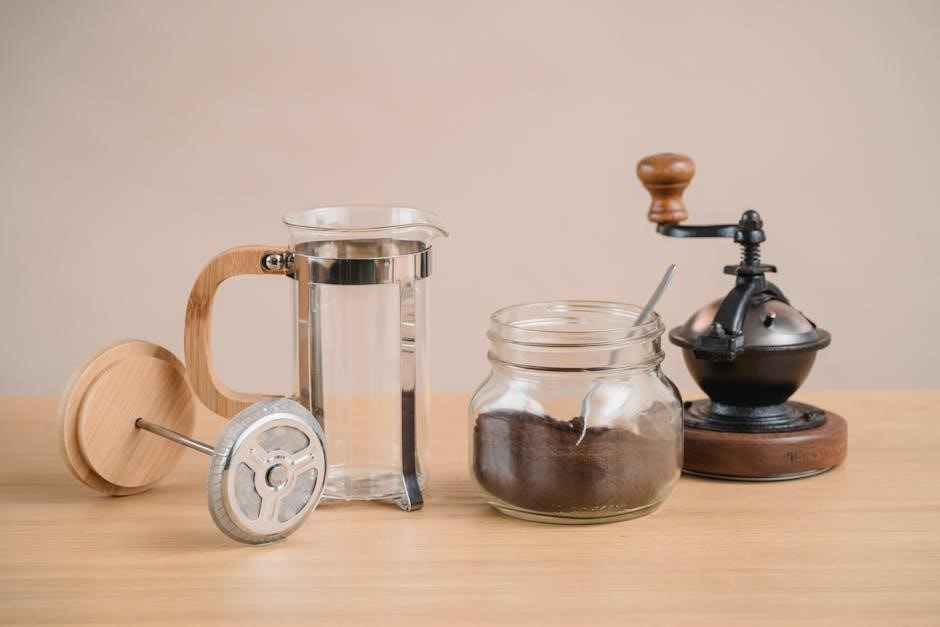
Proper operation ensures efficient grinding․ Begin by preparing your grain, then follow a step-by-step process, ensuring a consistent feed rate for optimal flour production․
Preparing the Grain
Before grinding, ensure your grain is clean and dry․ Remove any debris like stones, stems, or foreign objects that could damage the grinder’s blades or contaminate the flour․ While some grinders can handle various grains, understanding your specific model’s capabilities is crucial․
For optimal results, it’s often recommended to pre-clean grains using a simple winnowing process – gently tossing them in the air to allow lighter chaff to blow away․ Moisture content is also vital; excessively damp grain can clog the grinder, while overly dry grain might produce a dusty flour․
Consider the grain type; harder grains may require a coarser setting initially․ Always refer to your grain grinder’s manual for specific preparation guidelines to maximize efficiency and flour quality․
Grinding Process – Step-by-Step
Begin by securely mounting your manual grain grinder on a stable surface․ Slowly and steadily feed the prepared grain into the hopper, avoiding overloading․ Maintain a consistent, moderate pace while turning the handle – rushing can strain the mechanism․
Listen for changes in resistance; this indicates the grinder is working efficiently․ Adjust the grind setting as needed to achieve your desired flour consistency․ Regularly check the output to ensure uniform particle size․
If resistance increases significantly, stop and clear any potential blockages․ Remember to take breaks during prolonged grinding sessions to prevent overheating and ensure smooth operation․ Collect the freshly ground flour in a clean container․

Maintenance and Cleaning
Regularly inspect blades and screws for looseness, tightening as needed for safety․ Thorough cleaning, including the grinding chamber, ensures optimal performance and longevity․
Regular Inspection of Blades and Screws
Consistent performance and user safety heavily rely on routinely checking the grinder’s internal components․ Specifically, the blades and screws within the grinding chamber require frequent attention․ As highlighted in maintenance guides, regularly inspect whether these crucial parts are loose․ Over time, vibrations during operation can cause screws to work themselves free, potentially impacting grinding efficiency and creating a safety hazard․
Tighten any loose screws immediately to maintain the grinder’s structural integrity․ Worn blades also necessitate inspection; prolonged use leads to wear, diminishing grinding quality․ Replacing worn blades promptly ensures consistently fine flour․ This proactive approach prevents potential damage and extends the lifespan of your grain grinder, safeguarding both your investment and your well-being․
Cleaning the Grinding Chamber
Thorough cleaning of the grinding chamber is essential for maintaining optimal performance and preventing cross-contamination․ While regular maintenance addresses daily upkeep, occasional deep cleaning is crucial․ This involves dismantling the chamber – following the manufacturer’s instructions carefully – and removing any accumulated grain residue․ Leftover particles can become rancid, affecting the flavor of future batches and potentially harboring pests․
Use a dry brush or cloth to remove loose debris, avoiding moisture which can cause rust or damage․ Ensure all parts are completely dry before reassembly․ A clean grinding chamber not only improves flour quality but also extends the grinder’s lifespan, ensuring years of reliable service․ Prioritize hygiene for the best results!
Long-Term Maintenance
Ensuring longevity for your grain grinder requires proactive, long-term maintenance․ Regularly inspect blades and screws for looseness, tightening them as needed to guarantee safe operation – a critical step highlighted in user guides․ Over time, components like carbon brushes and blades will wear down with consistent use․
Prompt replacement of worn parts is vital; delaying can compromise grinding efficiency and potentially damage the motor․ Store the grinder in a dry environment to prevent rust and corrosion․ Following these practices will maximize the grinder’s lifespan, providing years of dependable service and fresh flour for your needs․

Troubleshooting Common Issues
Overheating is a concern when grinding large quantities; regular breaks allow the motor to cool, preventing damage and ensuring consistent performance․
Overheating Prevention
Preventing overheating in your grain grinder is crucial for longevity and consistent performance․ When processing substantial amounts of grain, it’s essential to incorporate regular pauses into the grinding process․ These brief intervals allow the motor to cool down, mitigating the risk of damage caused by sustained operation․
Always adhere to the manufacturer’s recommended grinding times, as exceeding these limits can significantly increase the likelihood of overheating․ Consistent monitoring during operation is also advisable; if you notice the motor becoming excessively warm, immediately cease grinding and allow it to cool completely before resuming․
Remember, a cooled motor ensures efficient grinding and extends the lifespan of your valuable equipment, safeguarding your investment and ensuring continued usability․
Addressing Poor Airflow
Poor airflow within a grain grinder dramatically impacts efficiency and increases operational costs․ Insufficient airflow leads to extended retention times for the grain within the grinding chamber, causing excessive wear on critical components like beaters and screens․ This can effectively double the power consumption per tonne of product ground, significantly raising expenses․

Regularly inspect the grinder’s ventilation system for obstructions, such as accumulated grain dust or debris․ Ensuring clear pathways for air circulation is paramount․ If airflow remains inadequate, consider professional maintenance to assess and rectify any underlying design flaws or mechanical issues contributing to the problem;
Optimizing airflow not only reduces energy consumption but also prolongs the life of your grinder, ensuring consistent and reliable performance․
Dealing with Worn Blades
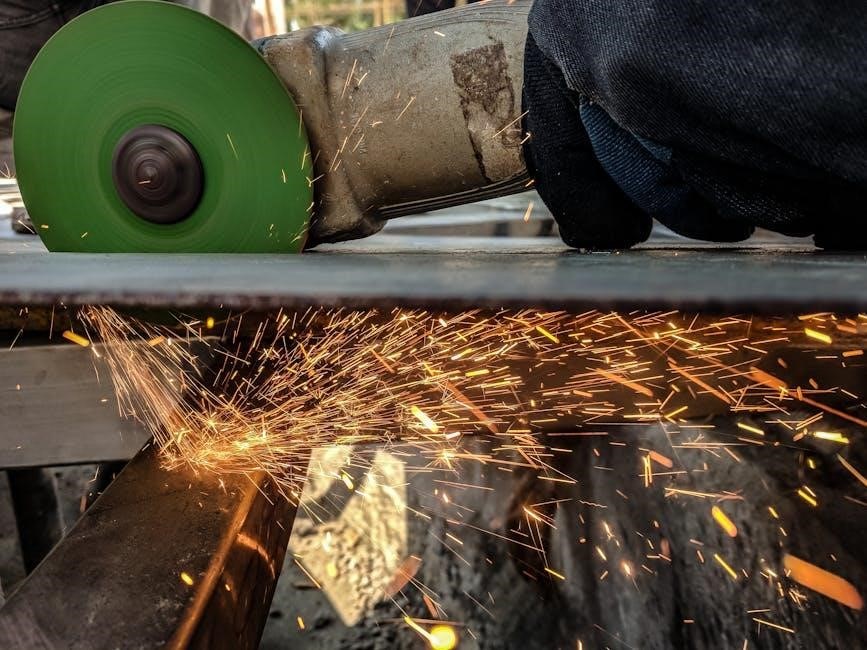
Worn blades are an inevitable consequence of prolonged grain grinder use, impacting grinding efficiency and flour quality․ Regular inspection is crucial; the Universal Manual and Operation Guide emphasizes checking blades and screws for looseness․ Timely replacement is essential to maintain optimal performance and prevent potential safety hazards․
Signs of wear include dullness, chipping, or visible damage to the blade edges․ If blades are significantly worn, the grinder will struggle to process grain effectively, resulting in inconsistent flour texture․ Replacing worn blades restores the grinder’s ability to produce fine, consistent flour․
Always consult the manufacturer’s instructions for proper blade replacement procedures and ensure you use compatible replacement parts․
Safety Precautions
Always follow safe operating procedures and tighten all screws regularly, as recommended in the Universal Manual, to ensure grinder stability and prevent accidents․
Safe Operating Procedures
Prioritize safety when operating your grain grinder․ Always ensure the unit is stable on a level surface before beginning․ Never attempt to force grain into the hopper; allow the grinder to process it at its own pace․ Regularly inspect blades and screws, tightening as needed to maintain structural integrity – a crucial step highlighted in the Universal Manual․
For electric models, be mindful of the power cord and avoid operating the grinder in wet conditions․ If the motor begins to overheat, immediately pause operation and allow it to cool, following manufacturer recommendations for grinding times to prevent damage․ Remember, consistent monitoring and preventative measures are key to safe and efficient grinding․
Electrical Safety (for Electric Grinders)
When using electric grain grinders, always ensure the power cord is undamaged and properly grounded․ Avoid using extension cords if possible, and if necessary, select one rated for the grinder’s wattage․ Never operate the grinder with wet hands or in a damp environment to prevent electric shock․
Overheating is a significant concern; if the motor struggles or emits a burning smell, immediately disconnect the power․ Regular breaks during prolonged grinding, as suggested for meat grinders, help prevent motor damage․ Inspect the carbon brush regularly and replace it when worn, ensuring continued safe operation and preventing potential electrical hazards․