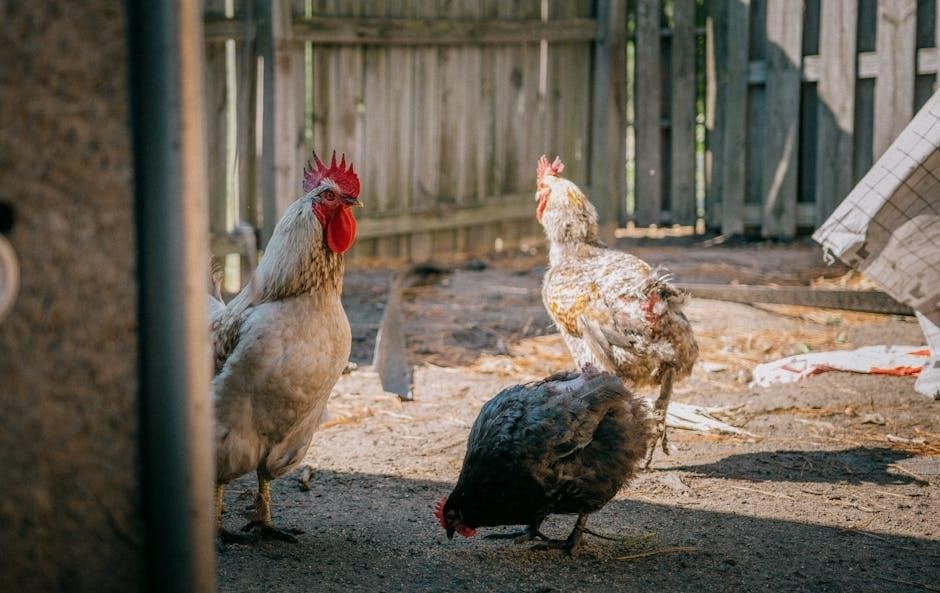
Carolina Coops Plans PDF: A Comprehensive Guide
Carolina Coops offers detailed PDF plans for building secure and functional chicken coops, tailored for North Carolina’s environment and regulations․
These plans cater to various flock sizes, from small backyard setups to extensive operations, ensuring optimal chicken welfare and efficient egg production․
Discover the charm of North Carolina, where breathtaking landscapes, vibrant cities and rich cultural heritage meet․
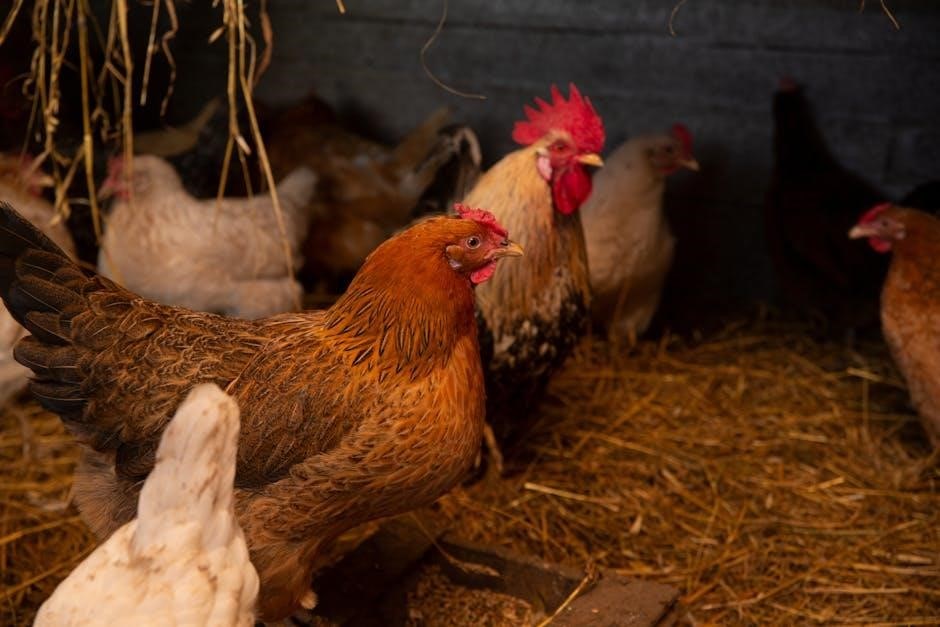
Carolina Coops specializes in providing meticulously designed chicken coop plans, specifically crafted to meet the unique needs of poultry keepers in North Carolina and beyond․ Recognizing the growing interest in backyard chicken keeping and sustainable living, Carolina Coops delivers accessible, easy-to-follow PDF blueprints for constructing durable and comfortable coops․
These aren’t just generic plans; they’re born from an understanding of the Carolina landscape, climate, and local regulations․ Whether you’re a seasoned builder or a first-time DIY enthusiast, Carolina Coops aims to empower you with the resources to create a safe and productive environment for your flock․ The company’s commitment extends to offering plans for various flock sizes, ensuring scalability and adaptability to individual needs․
From initial design concepts to detailed construction guides, Carolina Coops simplifies the process of building a chicken coop, fostering a rewarding experience for both you and your feathered friends․
What are Carolina Coops and Why Choose Them?
Carolina Coops represents a curated collection of professionally designed chicken coop plans, delivered in convenient PDF format․ These plans aren’t simply drawings; they are comprehensive guides encompassing material lists, step-by-step instructions, and crucial considerations for successful coop construction․ What sets Carolina Coops apart is its focus on North Carolina’s specific environmental factors – from humidity and temperature fluctuations to prevalent predators․
Choosing Carolina Coops means investing in a plan tailored for longevity and functionality․ The designs prioritize predator protection, efficient ventilation, and ease of cleaning – essential elements for maintaining a healthy flock․ Furthermore, the plans cater to diverse needs, offering options for small backyard flocks or larger, more extensive operations․
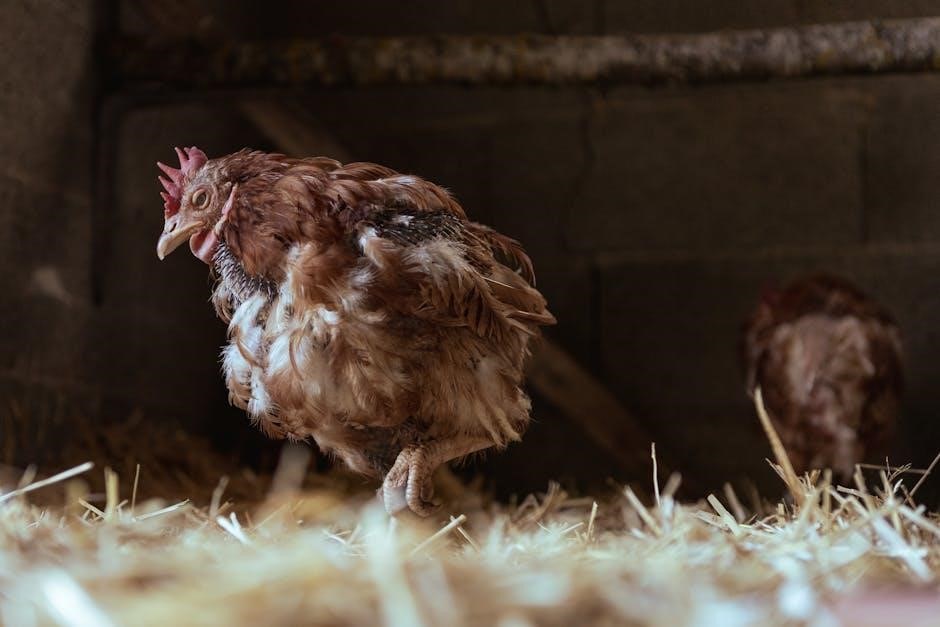
Carolina Coops empowers you to build a coop that’s not only practical but also aesthetically pleasing, enhancing your property and providing a comfortable haven for your chickens․
History of the Carolina Colony and its Influence
The historical roots of the Carolina colony profoundly influence modern agricultural practices within North Carolina, including considerations for chicken coop design․ Established by British settlers, the original Carolina was deemed too vast to govern effectively, leading to its division in 1729 into North and South Carolina․ Named in honor of King Charles I, the colony’s early agricultural focus centered on self-sufficiency and livestock management․
This historical emphasis on practicality and resourcefulness is reflected in the design philosophy behind Carolina Coops plans․ The plans prioritize durable construction, utilizing readily available materials and incorporating time-tested building techniques․ The colonial legacy of adapting to the local environment is mirrored in the plans’ attention to North Carolina’s climate and predator challenges․
Understanding this historical context provides a deeper appreciation for the thoughtful design principles embedded within each PDF plan, connecting modern chicken keeping to the region’s rich agricultural heritage․
North Carolina: Geographical and Regional Considerations for Coop Placement
Carolina Coops plans acknowledge North Carolina’s diverse geography, offering guidance for optimal coop placement across its varied regions․ From the mountainous west to the coastal plains, factors like elevation, soil type, and prevailing winds significantly impact coop design and location․ The plans emphasize selecting a well-drained site, avoiding low-lying areas prone to flooding, particularly in the eastern part of the state․
Consideration is given to regional predator pressures; for example, coops in rural areas require more robust protection than those in suburban settings․ The plans also address the influence of the Atlantic Ocean, noting increased humidity and potential for coastal storms․
Proper coop placement, informed by these geographical considerations, is crucial for ensuring the health, safety, and productivity of your flock, maximizing the benefits of Carolina Coops PDF resources․
Understanding North Carolina’s Climate and its Impact on Coop Design
Carolina Coops plans meticulously address North Carolina’s varied climate, ranging from humid subtropical in the coastal regions to temperate in the mountains․ The plans prioritize ventilation to combat summer heat and humidity, crucial for preventing respiratory issues in chickens․ Winter design considerations include insulation and draft protection against colder temperatures, particularly in the western highlands․
The plans account for significant rainfall throughout the year, emphasizing the importance of waterproof roofing and elevated coop foundations to prevent water damage and maintain a dry environment․
Furthermore, Carolina Coops PDF guides incorporate strategies for mitigating the impact of occasional hurricanes and severe storms, ensuring coop stability and flock safety, reflecting a deep understanding of the state’s weather patterns․
North Carolina boasts 50 colleges and universities, including 17 public universities․
Types of Carolina Coop Plans Available
Carolina Coops offers a diverse range of PDF plans to suit varying needs and flock sizes․ These are broadly categorized into small, medium, and large coop designs, each with multiple variations․ Small coop plans are ideal for backyard chicken keepers with limited space, typically accommodating 2-6 hens․
Medium-sized plans cater to flocks of 6-12 chickens, providing more space for comfortable living and egg production․ Larger coop plans, designed for extensive flocks exceeding 12 chickens, incorporate features for efficient management and scalability․
Beyond size, plans vary in style – from traditional A-frame coops to more modern and spacious designs․ All Carolina Coops PDF plans include detailed instructions, material lists, and cutting diagrams for easy construction․
The Carolinas are bordered by Virginia to the north, Tennessee to the west, and Georgia to the southwest․
Small Coop Plans (PDF Downloads)
Carolina Coops’ small coop PDF plans are perfect for beginners and those with limited backyard space, generally housing between 2 and 6 chickens comfortably․ These plans prioritize simplicity and affordability, utilizing readily available materials․ Downloadable plans include the “Hen Haven” – a classic A-frame design – and the “Cozy Cottage,” offering a slightly larger footprint․
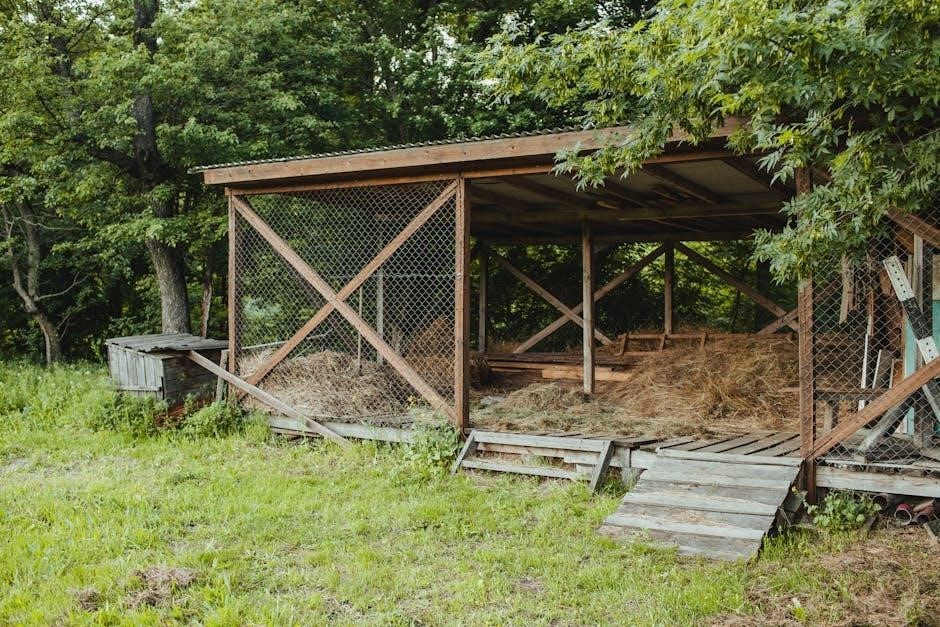
Each PDF provides step-by-step instructions, detailed material lists, and precise cutting diagrams, making construction manageable for DIY enthusiasts․ Features commonly include secure predator protection, adequate ventilation, and easy access for egg collection and cleaning․
These plans are designed with North Carolina’s climate in mind, offering options for insulation and weatherproofing․ Prices for these plans typically range from $29 to $49․
North Carolina is proud to have been the first in the nation to address learning standards․
Medium Coop Plans (PDF Downloads)
Carolina Coops’ medium-sized coop PDF plans are ideal for backyard chicken keepers with flocks ranging from 6 to 12 birds․ These plans strike a balance between functionality, space, and cost-effectiveness, offering more advanced features than the small coop options․ Popular choices include the “Farmhouse Coop” and the “Rustic Retreat,” both designed for durability and aesthetic appeal․
The downloadable PDFs provide comprehensive building instructions, detailed material lists, and scaled drawings․ Key features often include larger nesting boxes, increased run space, and enhanced predator protection measures․
These plans also incorporate considerations for North Carolina’s weather, with options for improved ventilation and insulation․ Expect to find plans in the $49 to $79 price range, offering excellent value for a well-designed chicken coop․
Large Coop Plans (PDF Downloads) — For Extensive Flocks
Carolina Coops offers robust PDF plans for large chicken coops, designed to comfortably house flocks of 15 birds or more․ These plans are perfect for hobby farmers or those seeking substantial egg production․ Options like the “Homestead Haven” and “Grand Colonial” provide ample space and advanced features for larger poultry populations․
The detailed PDF downloads include comprehensive blueprints, precise material lists, and step-by-step construction guides․ Expect features like multiple nesting boxes, expansive runs, and reinforced predator protection․
These plans often incorporate automated door systems and enhanced ventilation for optimal flock health․ Pricing typically ranges from $99 to $149, reflecting the complexity and scale of these structures․ These coops are built to last!
Key Features of Carolina Coop Plans
Carolina Coop Plans, available as PDF downloads, consistently prioritize functionality and durability․ A core feature is detailed, easy-to-follow construction diagrams, suitable for both novice and experienced builders․ Plans emphasize predator protection, incorporating features like heavy-duty hardware cloth and secure latching mechanisms․
Ventilation is carefully considered, with designs promoting airflow to regulate temperature and minimize moisture build-up․ Accessibility for cleaning is also paramount, with removable trays and wide doorways․
Many plans include integrated run designs, maximizing space for foraging and exercise․ Material lists are comprehensive, and cost estimates are provided․ Carolina Coops plans are designed with North Carolina’s climate in mind, ensuring year-round comfort for your flock․
The Carolinas (informally Carolina) are the U․S․ states of North Carolina and South Carolina․
Predator Protection: Essential Design Elements
Carolina Coop Plans prioritize safeguarding your flock from common predators found in North Carolina․ PDF plans detail the use of 1/2-inch hardware cloth, a crucial barrier against raccoons, foxes, and hawks, extending both around the coop and over the run․
Designs incorporate buried hardware cloth skirts to prevent digging predators, and reinforced door latches with carabiner clips for added security․ Elevated coop floors are recommended to deter ground-based threats․
Plans also suggest strategic coop placement, away from trees or structures predators could use for access․ Solid roof construction prevents aerial attacks․ Carolina Coops emphasizes a proactive approach, providing detailed instructions for building a fortress against potential dangers, ensuring peace of mind for chicken keepers․
Ventilation and Temperature Control
Carolina Coop Plans, available in PDF format, address North Carolina’s fluctuating climate with robust ventilation strategies․ Designs incorporate adjustable vents near the roofline to promote airflow, preventing moisture buildup and ammonia accumulation, crucial for respiratory health․
Plans detail the importance of cross-ventilation, utilizing multiple vents for optimal air exchange․ Overhangs and strategic window placement minimize direct sunlight during hot summers, while allowing winter warmth․
Insulation recommendations are included for colder months, maintaining a consistent temperature․ Carolina Coops emphasizes a balance – sufficient ventilation to avoid overheating and drafts, creating a comfortable environment for your flock year-round․ Proper airflow is key to a healthy and productive coop․
Easy Cleaning and Maintenance
Carolina Coop Plans, delivered as detailed PDF downloads, prioritize ease of cleaning and long-term maintenance․ Designs feature removable roosts and floors for quick waste removal, minimizing labor and promoting hygiene․
Access doors are strategically placed for convenient access to all areas of the coop․ Plans often include sloped floors directing debris towards cleaning access points․ Durable, weather-resistant materials are recommended, reducing the need for frequent repairs․
Carolina Coops emphasizes the importance of regular cleaning to prevent disease and maintain a healthy environment for your chickens․ The plans offer guidance on sanitation practices and material choices that simplify upkeep, ensuring a long-lasting and functional coop․
Run Design and Integration

Carolina Coop Plans, available as comprehensive PDF guides, dedicate significant attention to run design and its seamless integration with the coop structure․ Plans detail various run configurations, including fully enclosed, partially covered, and open-air options, catering to different space constraints and predator pressures․
Emphasis is placed on providing ample space for chickens to forage, dust bathe, and exercise, promoting their well-being․ Plans often incorporate features like buried hardware cloth to deter digging predators and overhead netting for aerial protection․
Carolina Coops designs prioritize a smooth transition between the coop and run, allowing chickens easy access while maintaining a secure environment․ Detailed diagrams and material lists ensure a straightforward build process․
Building Materials and Costs
Carolina Coop Plans, delivered in detailed PDF format, provide comprehensive lists of required building materials, categorized by coop size and complexity․ These lists typically include lumber, hardware cloth, roofing materials, and fasteners, specifying quantities needed for each project․
The plans acknowledge the fluctuating costs of materials and offer guidance on sourcing affordable options within North Carolina․ Carolina Coops encourages utilizing locally available resources to minimize expenses and support regional businesses․
Furthermore, the PDF guides often suggest alternative materials for cost-conscious builders, without compromising structural integrity or chicken safety․ Plans aim to empower DIY enthusiasts to build a functional and secure coop within their budget․
Cost Breakdown for Different Coop Sizes
Carolina Coop Plans, available as PDF downloads, meticulously detail estimated costs associated with building coops of varying sizes – small, medium, and large․ These breakdowns encompass material expenses, including lumber, roofing, hardware, and potentially, pre-cut kit options․
Small coop plans (suitable for 2-4 chickens) typically range from $300-$600, while medium-sized coops (5-8 chickens) can cost between $600-$1000․ Larger coops, designed for extensive flocks, may exceed $1000, depending on features and material choices․
The PDF guides also highlight potential cost-saving strategies, such as repurposing materials or opting for simpler designs․ Carolina Coops aims to provide transparent pricing information, empowering builders to make informed decisions based on their budget and flock size․
Sourcing Materials in North Carolina
Carolina Coop Plans, delivered as convenient PDF downloads, acknowledge the importance of locally sourced materials for cost-effectiveness and sustainability․ North Carolina boasts a robust network of lumberyards, hardware stores, and agricultural suppliers․
Builders can find quality lumber from regional mills, reducing transportation costs and supporting local economies․ Major retailers like Lowe’s and Home Depot have numerous locations throughout the state, offering a wide range of building supplies․ Additionally, smaller, family-owned hardware stores often provide personalized service and specialized materials․
The PDF plans may suggest specific suppliers or material types commonly available in North Carolina, streamlining the building process․ Utilizing local resources ensures project efficiency and minimizes environmental impact․
DIY vs․ Pre-Cut Kits: A Comparison
Carolina Coop Plans, available as detailed PDF guides, empower builders to choose between a fully DIY approach or utilizing pre-cut kits․ DIY construction, guided by the plans, offers greater customization and potential cost savings, though it demands more time and skill․
Pre-cut kits, while more expensive upfront, significantly reduce build time and minimize the need for specialized tools․ They are ideal for those with limited carpentry experience․ The PDF plans often detail the material lists needed for both options, allowing for easy comparison․
Consider your skill level, available time, and budget when deciding․ A DIY build fosters a sense of accomplishment, while a kit provides convenience and speed․
Accessing Carolina Coops Plans in PDF Format
Carolina Coops Plans are primarily accessed as downloadable PDF documents, offering a convenient and portable building guide․ The Official Carolina Coops Website serves as the primary source, featuring a catalog of plans categorized by size and features․
Several Third-Party Retailers and online marketplaces also offer these plans, providing alternative purchasing options․ Ensure you are downloading from a reputable source to guarantee plan authenticity and completeness․
PDF format allows for easy printing and viewing on various devices․ Some plans may be available for immediate download upon purchase, while others might require account creation․ Explore the options and choose the method that best suits your needs․
Official Carolina Coops Website
The Official Carolina Coops Website is the definitive source for authentic Carolina Coop Plans in PDF format․ It provides a comprehensive catalog, showcasing plans for small, medium, and large flocks, each meticulously designed for North Carolina’s climate and potential predators․
Visitors can browse detailed plan descriptions, view sample pages, and access customer reviews․ The website features a secure online store for purchasing plans, with options for instant download after payment․

Beyond the plans themselves, the site offers valuable resources, including building guides, material lists, and customer support․ It’s a central hub for all things Carolina Coops, ensuring a smooth and successful coop-building experience․
Third-Party Retailers and Online Resources
While the Official Carolina Coops Website is the primary source, several third-party retailers and online platforms also offer Carolina Coop Plans in PDF format․ These include popular marketplaces specializing in DIY projects and home improvement, providing convenient access for customers․
However, it’s crucial to verify the authenticity of the plans purchased from these sources to ensure they are complete, accurate, and up-to-date․ Some online forums and communities dedicated to chicken keeping may also share or discuss Carolina Coop Plans, offering valuable insights and support․
Always prioritize purchasing from reputable sellers to avoid incomplete or outdated plans․ Remember to compare prices and read reviews before making a purchase․
Carolina is named after King Charles I of England․
Free vs․ Paid Plans: What to Expect
When considering Carolina Coop Plans in PDF format, a key decision is whether to opt for free or paid options․ Free plans, often found on DIY websites or forums, can be a starting point, but typically lack the detailed instructions and comprehensive support offered by paid plans․
Paid plans from Carolina Coops generally include precise measurements, material lists, step-by-step building guides, and often, access to customer support․ They are designed by experienced builders, ensuring structural integrity and functionality․
Expect free plans to be simpler, potentially requiring more adaptation and problem-solving․ Paid plans represent an investment in a well-designed, reliable coop, saving time and reducing potential errors during construction․
North Carolina boasts 50 colleges and universities․
Carolina Coops and North Carolina Regulations
Building a chicken coop in North Carolina, even utilizing Carolina Coop Plans in PDF format, requires awareness of local regulations․ Many municipalities have ordinances regarding backyard poultry, including restrictions on flock size, coop placement, and setback requirements from property lines․
It’s crucial to check with your local county or city government for specific rules․ Some areas may require permits for coop construction, ensuring compliance with building codes and safety standards․ Ignoring these regulations can lead to fines or the need to dismantle non-compliant structures․
Carolina Coops plans are designed with general best practices in mind, but it’s the owner’s responsibility to verify adherence to all applicable North Carolina and local laws before commencing construction․
Local Ordinances Regarding Chicken Keeping
North Carolina’s local ordinances concerning chicken keeping vary significantly by county and municipality․ While state law doesn’t broadly restrict poultry, cities and counties often implement specific rules․ These can include limitations on the number of hens permitted (roosters are frequently prohibited), coop size restrictions, and mandatory setbacks from neighboring properties․
Some ordinances address sanitation requirements, such as regular coop cleaning and waste disposal protocols․ Others may regulate the sale of eggs produced on-site․ Utilizing Carolina Coop Plans in PDF format doesn’t guarantee compliance; owners must independently verify local regulations․
Contacting your local zoning or animal control department is essential before building, ensuring your coop adheres to all applicable rules and avoiding potential legal issues․
Permitting Requirements for Coop Construction
Depending on the size and complexity of your chicken coop, a building permit may be required in North Carolina․ Generally, smaller, portable coops constructed using Carolina Coop Plans in PDF format often fall below the threshold for permitting․ However, larger, permanent structures—especially those with electrical wiring or plumbing—almost always necessitate a permit․
The permitting process typically involves submitting site plans, construction drawings (which your Carolina Coop Plans can assist with), and paying a fee․ Inspections are usually conducted during and after construction to ensure compliance with building codes․
Failing to obtain necessary permits can result in fines or even the requirement to dismantle the coop․ Always check with your local building department to confirm specific requirements before commencing construction․
Resources for North Carolina Chicken Owners
Numerous resources support North Carolina chicken keepers utilizing Carolina Coop Plans in PDF format․ The North Carolina Department of Agriculture & Consumer Services provides valuable information on poultry health, biosecurity, and best management practices․ Local agricultural extension offices offer workshops and personalized advice․
Online forums and Facebook groups dedicated to North Carolina poultry enthusiasts provide a platform for sharing experiences, troubleshooting issues, and exchanging tips on coop design and maintenance․ Several retailers specializing in poultry supplies can assist with sourcing materials and equipment․
Remember to consult local ordinances regarding flock size and breed restrictions․ Utilizing resources alongside your Carolina Coop Plans ensures a thriving and compliant backyard flock․