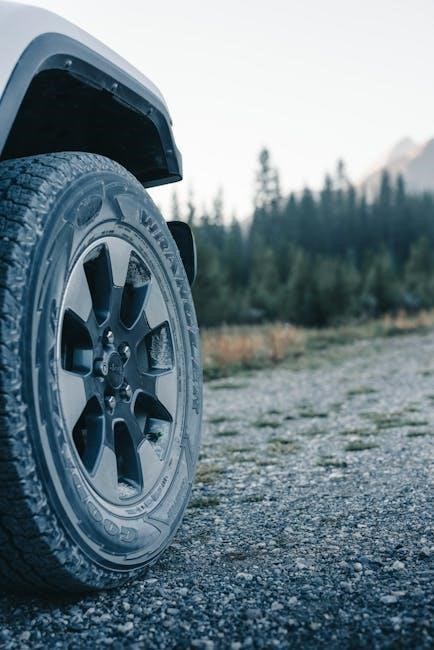
Off-Road Tire Size Guide: A Comprehensive Overview
Navigating the world of off-road tires requires understanding sizing, load capacity, and how these factors impact vehicle performance and trail readiness.
Selecting the correct tire size is paramount for optimizing your off-road vehicle’s capabilities. It’s not simply about going bigger; a well-considered choice enhances traction, ground clearance, and overall performance on various terrains. This guide delves into the intricacies of off-road tire sizing, demystifying the numbers and terminology. We’ll explore how tire size impacts handling, gearing, and even fuel efficiency.
Understanding these elements ensures you choose tires that complement your vehicle’s modifications, driving style, and the types of trails you frequently encounter. Proper sizing avoids potential issues like rubbing or drivetrain stress.
Understanding Tire Terminology
Decoding tire sidewall markings is crucial for understanding tire size and specifications. You’ll encounter a series of numbers and letters, each representing a specific characteristic. For example, “285/70R17 121Q” breaks down as follows: 285 is the tire width in millimeters, 70 is the aspect ratio (sidewall height as a percentage of width), R denotes radial construction, and 17 is the rim diameter in inches.
Further, 121 represents the load index, and Q signifies the speed rating. Familiarizing yourself with these terms empowers informed tire selection.
Tire Width
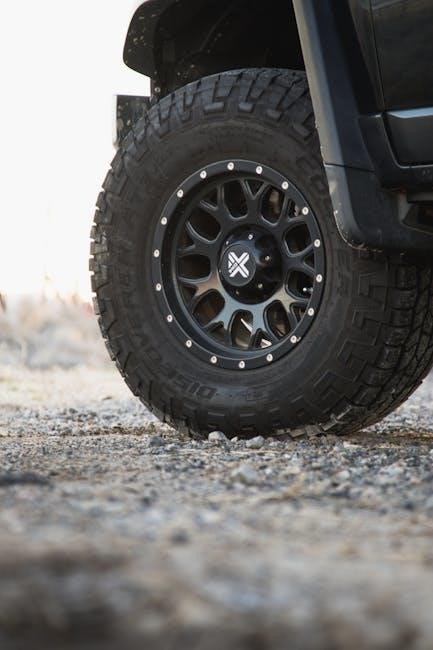
Tire width, measured in millimeters, significantly impacts traction and floatation. Wider tires generally provide a larger contact patch, enhancing grip on loose surfaces like sand or mud. However, increased width can also lead to increased rolling resistance and potential rubbing issues.
Common off-road widths range from relatively narrow 235mm for efficiency to very wide 35×12.50R17 (approximately 35 inches tall and 12.5 inches wide) for maximum traction and aggressive looks. Choosing the right width depends on your vehicle, terrain, and desired performance.
Aspect Ratio
Aspect ratio represents the sidewall height as a percentage of the tire width. A lower aspect ratio (e.g., 45) means a shorter sidewall, offering improved steering response and a firmer ride, often preferred for on-road performance.
Conversely, a higher aspect ratio (e.g., 75 or 80) provides a taller sidewall, increasing ride comfort, absorbing impacts from rocks and roots, and improving off-road traction by allowing the tire to conform to obstacles. Off-road tires typically feature higher aspect ratios for enhanced capability.
Rim Diameter
Rim diameter, measured in inches, is the diameter of the wheel the tire is mounted on. Common off-road diameters include 15, 16, 17, 18, and 20 inches. Increasing rim diameter often necessitates tires with a lower aspect ratio to maintain overall tire diameter.
Choosing the correct rim diameter is crucial for tire fitment and performance. Larger diameters can improve handling and braking, while smaller diameters often offer better sidewall flex for off-road comfort and traction. Always verify compatibility with your vehicle and chosen tire size.
Load Index & Speed Rating
Load index and speed rating are critical safety factors indicated on the tire sidewall. The load index represents the maximum weight a single tire can carry, while the speed rating indicates the maximum speed at which the tire can safely operate.
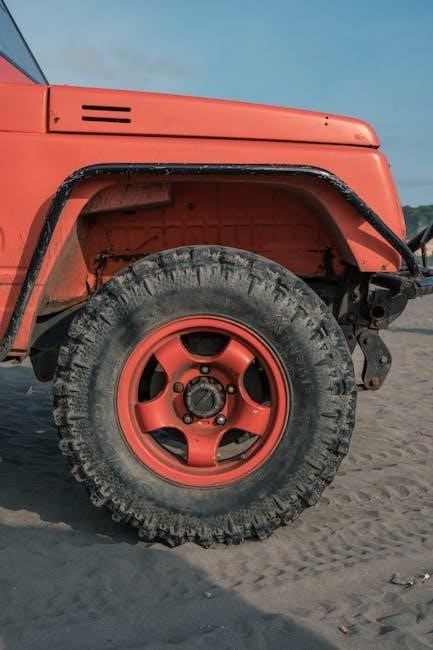
For off-road vehicles, especially those carrying extra weight (winches, gear, etc.), selecting a tire with an appropriate load index is vital. Maintaining or exceeding the original speed rating is also recommended, even if off-road speeds are lower, for overall safety and durability.
Common Off-Road Tire Types & Their Ideal Sizes
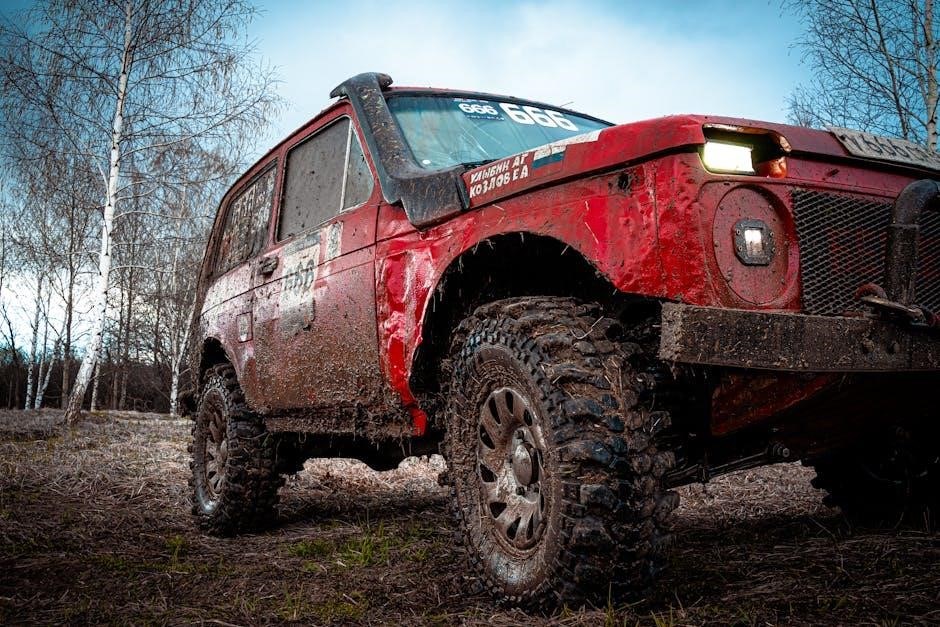
Different off-road driving styles necessitate different tire types and, consequently, ideal sizes. Mud-terrain (MT) tires generally range from 31×10.5R15 to 37×13.5R20, prioritizing traction in deep mud.

All-terrain (AT) tires, offering a balance of on- and off-road performance, commonly fall between 255/75R17 and 33×12.5R18. Rock crawling tires, focused on grip on solid surfaces, often utilize smaller diameters (35″ or less) with wide widths for maximum contact patch.
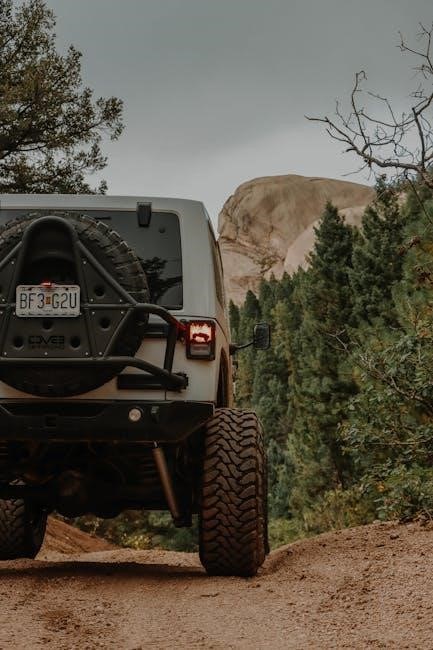
Mud-Terrain (MT) Tires
Mud-terrain tires are aggressively designed for conquering the toughest, stickiest conditions. Characterized by large, open tread blocks and reinforced sidewalls, they excel in deep mud, loose dirt, and rocky terrain.
Common sizes range from 31×10.5R15 for smaller lifts to 37×13.5R20 or even larger for heavily modified vehicles. Expect a louder road noise and potentially reduced fuel economy compared to all-terrain tires. MT tires prioritize maximum traction over comfort and efficiency.
All-Terrain (AT) Tires
All-terrain tires strike a balance between on-road comfort and off-road capability, making them a popular choice for daily drivers who occasionally venture off the pavement.
Featuring a more moderate tread pattern than mud-terrains, AT tires offer good traction in dirt, gravel, and light mud, while remaining relatively quiet and fuel-efficient on the highway. Typical sizes include 255/75R17, 275/65R18, and 33×12.5R15, offering a versatile upgrade for many vehicles.
Rock Crawling Tires
Rock crawling tires are specifically designed for extreme off-road conditions, prioritizing maximum grip on rocks and challenging terrain.
These tires typically feature an aggressive, open tread pattern with large lugs for exceptional traction, and reinforced sidewalls to resist punctures and abrasions. Common sizes range from 35×12.5R17 to 40×13.5R17, often requiring significant lift kits and modifications. Expect a noisy ride on pavement, as their focus is purely off-road performance.
Stock Tire Size vs. Plus Sizing
Understanding your vehicle’s stock tire size is the first step. ‘Plus sizing’ involves increasing tire diameter within a safe range, typically 1-2 inches.
This can improve ground clearance and aesthetics, but requires careful consideration. Plus sizing often necessitates a mild lift kit to avoid rubbing. Maintaining the overall tire diameter close to stock minimizes impact on gearing and speedometer accuracy. Larger tires affect power delivery and fuel economy, so balance is key.
Calculating Tire Diameter & Offset
Accurately calculating tire diameter is crucial for ensuring proper fitment and avoiding issues. Use online tire size calculators, inputting width, aspect ratio, and rim diameter.
Offset refers to the distance between the wheel’s mounting surface and its centerline; it impacts how the tire sits within the wheel well. Incorrect offset can cause rubbing or affect handling. Understanding both diameter and offset prevents costly mistakes and ensures optimal performance on and off-road.
Lift Kits & Their Impact on Tire Size
Installing a lift kit dramatically expands tire size options, providing necessary clearance for larger diameter tires. However, a lift isn’t always required; plus-sizing can work with stock suspension.
Consider the lift kit’s height – a modest 2-3 inch lift opens doors to 33-inch tires, while larger lifts accommodate 35-inch or even bigger tires. Remember to factor in potential geometry changes and the need for other modifications like extended brake lines.
Determining Necessary Lift Height
Calculating the required lift height centers around desired tire size and avoiding rubbing. Measure the current tire diameter and compare it to the planned tire size; the difference dictates lift needs.
Generally, 1-2 inches of lift allows for slightly larger tires without significant modification. For 33-inch or larger tires, a 3-6 inch lift is often necessary. Consider your vehicle’s existing suspension, intended use (mild trails vs. rock crawling), and budget when choosing a lift kit height.
Tire Size Charts for Popular Vehicles
Finding the ideal tire size often starts with seeing what others have successfully fitted on similar vehicles. Below are general guidelines, but always verify fitment with your specific trim level and modifications.
Popular choices include the Jeep Wrangler, Toyota Tacoma, Ford F-150, and Chevrolet Silverado. Charts detail common tire sizes, lift requirements, and potential rubbing points for each model. Remember these are starting points; individual results may vary based on wheel offset and suspension setup.
Jeep Wrangler Tire Sizes
The Jeep Wrangler offers incredible flexibility for tire sizing. Stock Wranglers (JL and JK) typically range from 255/75R17 to 255/80R17. A popular “plus size” is 285/70R17, often achievable with a 2.5-3” lift and minor trimming.
For more aggressive builds, 33×12.50R17 tires require a 3.5”+ lift and significant modifications. 35×12.50R17 and larger necessitate substantial lifts, re-gearing, and extensive body work. Always consider your Wrangler’s generation and intended use when selecting a tire size.
Toyota Tacoma Tire Sizes
Toyota Tacoma tire sizing depends heavily on the generation and trim level. Stock sizes generally fall between 245/75R16 and 265/70R17. A common upgrade is to 275/70R17, often fitting with a modest lift or leveling kit and some minor fender liner adjustments.
For more substantial upgrades, 285/70R17 tires are popular, usually requiring a 2-3” lift and more extensive modifications. Larger sizes like 33×12.50R17 demand significant lift, re-gearing, and body mount chopping. Careful planning is crucial for Tacoma tire upgrades.
Potential Issues with Larger Tire Sizes
Increasing tire size beyond stock introduces several potential problems. Rubbing against the frame, fender liners, or suspension components is common, especially during articulation. Gear ratio changes may be necessary to maintain power and efficiency, as larger tires effectively lower the final drive ratio.
Fuel economy typically decreases with larger tires. Speedometer inaccuracies can occur, requiring recalibration. Clearance issues can arise with parking sensors or other vehicle systems. Thorough research and potential modifications are vital before upsizing.
Rubbing & Clearance Problems
Larger tires often encounter rubbing issues, particularly during off-road maneuvers when the suspension cycles. Common areas include the frame, fender wells, and sway bar disconnects. Clearance problems can also affect the inner fenders and even the vehicle’s body mounts.
Solutions range from minor trimming of plastic fender liners to more extensive metal modifications. Body lifts or suspension adjustments can create additional space. Careful measurement and test fitting are crucial before committing to a larger tire size to avoid damage.
Gear Ratio Considerations
Increasing tire size effectively alters your vehicle’s final drive ratio, often resulting in reduced acceleration and potentially decreased fuel economy. Larger tires require the engine to work harder to maintain speed, especially on inclines.
Re-gearing – replacing the gears in your axles and/or transfer case – restores the optimal power band. Choosing the correct gear ratio depends on tire size, engine type, and intended use. Consulting a professional is recommended to determine the best setup for your specific vehicle and driving style.
Tools for Determining Proper Tire Size
Several online tire size calculators are available, allowing you to input your current tire size and desired changes to visualize the impact on diameter, circumference, and gear ratio. These tools often compare sizes across different brands.
String and measuring tape methods provide a physical way to assess clearance. Additionally, dedicated smartphone apps can assist with tire size comparisons and lift kit calculations. Finally, forums specific to your vehicle model are invaluable resources for real-world experiences and recommendations.
Legal Considerations & Tire Size Limits
It’s crucial to understand that modifying tire size can have legal ramifications. Many jurisdictions have regulations regarding tire protrusion beyond the vehicle’s fenders. Furthermore, significant size increases may necessitate fender modifications to ensure compliance.
Annual vehicle inspections often scrutinize tire size and adherence to safety standards. Exceeding allowable limits can result in fines or failed inspections. Always check your local laws and regulations before making any substantial tire size changes to avoid legal issues.
Choosing the Right Tire Size for Your Driving Style
Your off-road driving style heavily influences the ideal tire size. For casual trail use and highway driving, a moderate increase in size with All-Terrain tires offers a good balance. Aggressive rock crawling demands smaller, more manageable tires for increased control and traction.
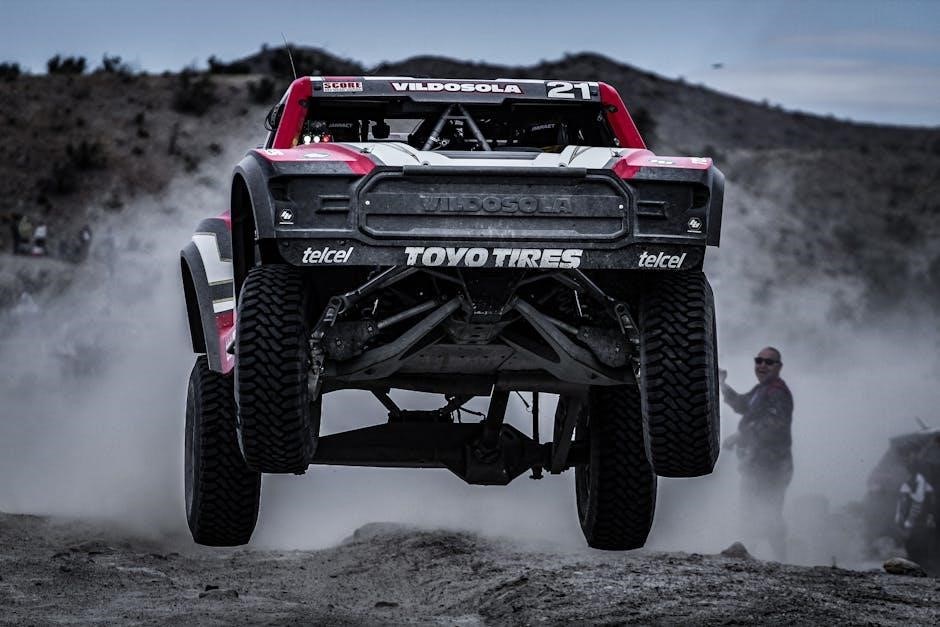
High-speed desert running benefits from larger diameters for maintaining momentum. Consider the terrain you frequent most and prioritize characteristics like sidewall strength, tread pattern, and overall diameter accordingly for optimal performance.
Where to Buy Off-Road Tires
Off-road tires are readily available from various sources, both online and in brick-and-mortar stores. Specialty tire shops often provide expert advice and installation services, catering specifically to off-road enthusiasts. Large retailers like Discount Tire and Tire Rack offer extensive selections and competitive pricing.
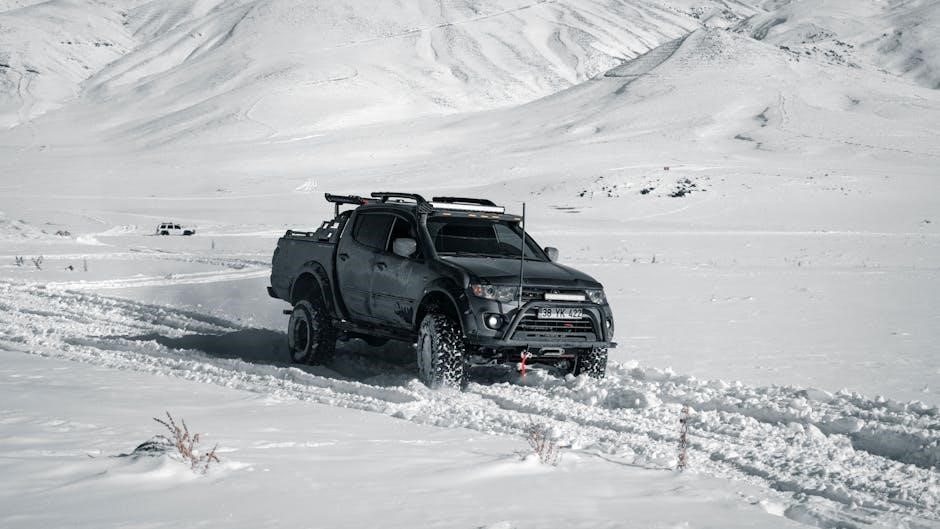
Online marketplaces such as Amazon and eBay can be convenient, but verify seller reputation. Don’t forget to check local 4×4 shops and dealerships; they frequently have promotions and package deals. Compare prices and read reviews before purchasing!
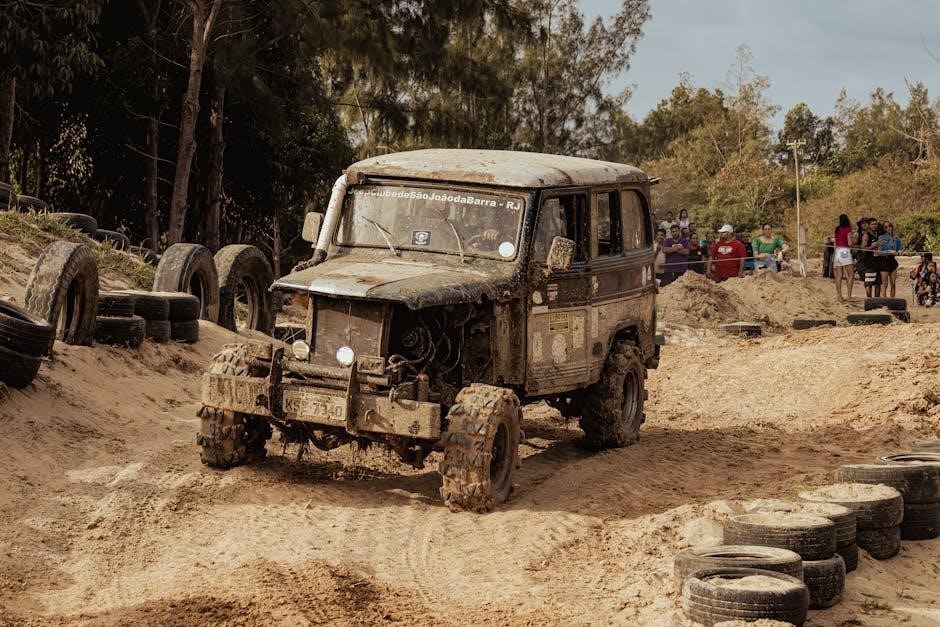
Maintaining Your Off-Road Tires

Regular maintenance is crucial for maximizing the lifespan and performance of your off-road tires. Check tire pressure before each trip, adjusting for terrain and load. Inspect for cuts, bulges, and embedded objects after every outing. Rotate tires frequently – every 3,000 to 5,000 miles – to ensure even wear.
Proper storage when not in use, away from direct sunlight and extreme temperatures, is also vital. Consider balancing and alignment checks annually. Ignoring these steps can lead to premature failure and compromised safety.
Frequently Asked Questions (FAQs)
Q: Will larger tires significantly affect my fuel economy? A: Yes, increased tire size and weight generally reduce MPG. Q: Do I always need a lift kit with larger tires? A: Not always, but it’s often necessary to avoid rubbing. Q: What’s the best tire pressure for off-roading? A: Lower pressures increase traction, but be mindful of beadlock requirements.
Q: How often should I check tire pressure? A: Before every off-road trip and regularly on-road. Q: Can I mix different tire types? A: It’s generally not recommended for optimal handling and performance.
Ultimately, selecting the ideal off-road tire size is a balance between desired performance, vehicle modifications, and practical considerations. Thorough research, understanding your driving style, and acknowledging potential limitations are crucial. Don’t solely chase the largest possible tire; prioritize fitment, functionality, and safety.
Carefully assess lift kit requirements, gear ratio impacts, and legal restrictions. A well-chosen tire size enhances your off-road experience, providing improved traction, capability, and confidence on the trails.